Starting a craft distillery is an exciting opportunity for entrepreneurs who want to produce unique, high-quality spirits. Whether your goal is to make whiskey, gin, rum, vodka, or fruit brandy, having the right equipment is essential for achieving consistent quality and efficient production.
However, beginners often face one important question: What equipment do you really need to start a craft distillery? The answer depends on your target spirit, production capacity, raw materials, and investment budget. Below is an overview of the essential equipment.
1. Raw Material Preparation Equipment
The first step is preparing your raw materials for fermentation.
For whiskey production, a grain mill is used to crush malt and grains into suitable particles. For rum, sugarcane crushers or juice preparation systems may be required. Fruit brandy producers may need fruit washing and crushing machines.
Selecting suitable preparation equipment helps improve raw material utilization and production efficiency.
2. Fermentation Tanks
Fermentation is where sugars are converted into alcohol through yeast activity.
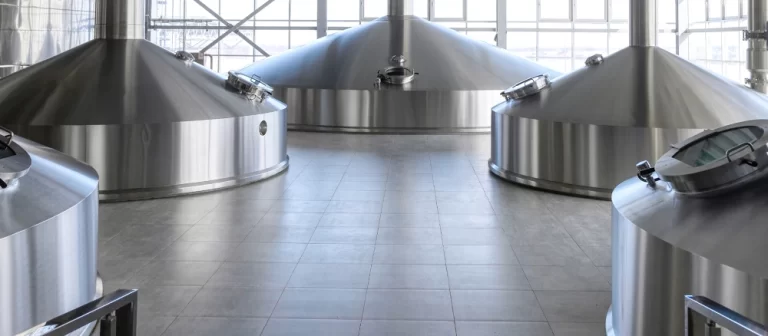
Stainless steel fermentation tanks are widely used in craft distilleries because they offer excellent durability, hygiene, and ease of cleaning.
For better temperature control, jacketed fermentation tanks with cooling systems are recommended. The tank capacity should match your batch size and production schedule.
3. Distillation Equipment
The distillation still is the heart of a craft distillery. Different still configurations are suitable for different spirits.
Pot Still: Commonly used for whiskey, rum, and brandy, producing spirits with distinctive flavors and aromas.
Column Still: Suitable for producing high-purity alcohol and neutral spirits.
Hybrid Still: Combines pot and column distillation, providing greater production flexibility.
Gin Basket: An optional component for extracting botanical aromas during gin production.
Depending on your requirements, the still can be equipped with electric or steam heating, a condenser, and appropriate temperature and pressure monitoring instruments.
4. Cooling and Auxiliary Equipment
A complete craft distillery also needs supporting systems, such as condensers, chillers, transfer pumps, spirit receivers, storage tanks, and CIP cleaning systems.
These components help maintain stable production, improve cooling efficiency, and simplify daily operations.
5. Plan for Future Expansion
When purchasing equipment, don’t focus only on your current production needs. Consider whether additional fermentation tanks, larger stills, or automated systems may be needed as your business grows.
Working with an experienced distillery equipment manufacturer can help you design a customized solution that fits your production goals, building space, and budget.
최종 생각
Starting a craft distillery doesn’t necessarily require a complicated or oversized production line. The key is to invest in essential equipment that matches your product type and expected output.
With the right equipment configuration, careful planning, and reliable technical support, you can build a craft distillery that produces quality spirits and supports long-term business growth.
헬렌
영업 관리자