In a brewery, the grain conveying system connects the malt storage, malt mill and brewhouse. Although it may seem like a simple material-handling process, the choice of conveyor can have a significant impact on brewery efficiency, installation cost, maintenance and future expansion. Two commonly used solutions are the stainless steel auger conveyor and the flexible auger conveyor. So, which one is better for a brewery?
The answer depends on several factors, including brewery capacity, grain type, conveying distance, installation layout, conveying height, automation requirements and future expansion plans.
This guide provides a practical comparison to help brewery owners and engineers make the right decision.
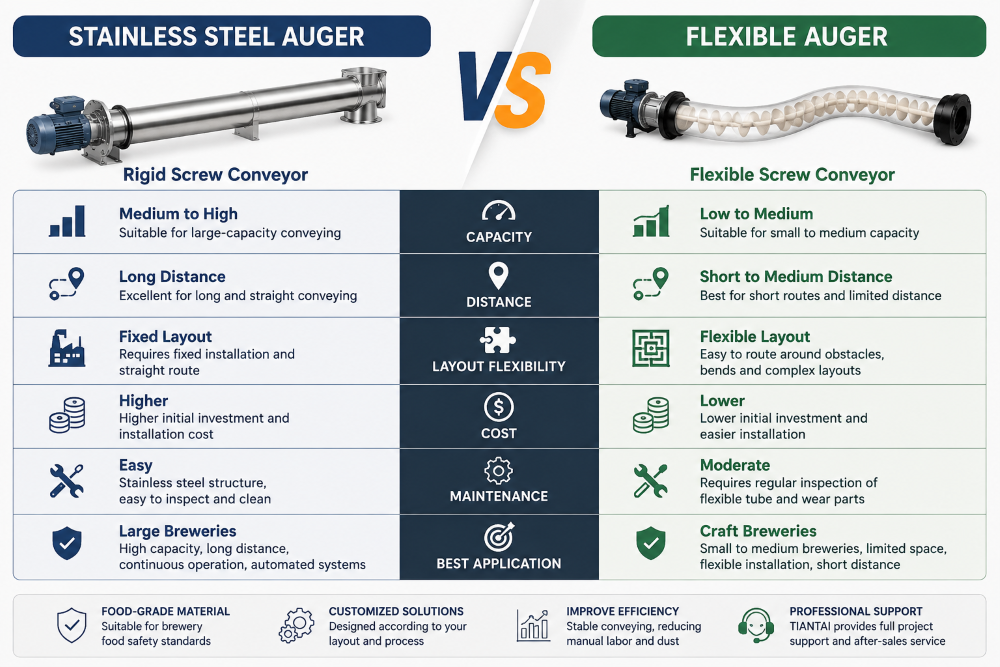
Stainless Steel Auger vs Flexible Auger: Quick Comparison
| Selection Factor | Stainless Steel Auger | Flexible Auger |
|---|---|---|
| Construction | Rigid stainless steel tube | Flexible food-grade tube |
| Installation | Fixed | Highly flexible |
| Space requirement | Medium–High | Low |
| Conveying capacity | Medium–High | Low–Medium |
| Long-distance conveying | Excellent | Suitable for shorter routes |
| Complex layouts | Limited | Excellent |
| Small craft brewery | Suitable | Highly recommended |
| Large brewery | Highly recommended | Less common |
| Fixed production line | Excellent | Good |
| Future layout changes | Moderate | Excellent |
| Initial installation | More complex | Simpler |
| Automation integration | Excellent | Good |
| Best application | High-capacity/fixed systems | Compact/flexible systems |
1. What Is a Stainless Steel Auger Conveyor?
A stainless steel auger conveyor, also called a rigid screw conveyor, uses a rotating screw inside a stainless steel tube or trough. The rotating screw continuously moves malt or other brewing grains from one point to another.
A typical brewery configuration is: Malt Silo → Stainless Steel Auger → Malt Mill → Grist Case → Brewhouse
The conveyor can be designed horizontally or at an incline depending on the brewery layout.
Advantages
- Robust stainless steel construction
- Suitable for continuous operation
- Good conveying capacity
- Suitable for long conveying distances
- Easy integration with automated systems
- Suitable for permanent brewery installations
- Can be customized according to the brewery layout
For commercial breweries with stable production routes, stainless steel augers are a proven solution.
2. What Is a Flexible Auger Conveyor?
A flexible auger conveyor consists of a flexible spiral screw rotating inside a flexible food-grade tube. The major advantage is that the conveying tube can bend around obstacles.
For example: Malt Hopper → Flexible Auger → Malt Mill
The conveyor can pass around existing tanks, walls, platforms and other equipment.
Advantages
- Compact design
- Flexible installation
- Easy routing
- Lower installation complexity
- Suitable for limited spaces
- Easy to modify
- Particularly suitable for craft breweries
This makes flexible augers a practical choice when the brewery does not require very high grain throughput.
3. Which Conveyor Is Better for Malt?
This is one of the most important questions brewery owners ask. The answer depends on whether the material is whole malt or milled grain.
Whole Malt
Whole malt is relatively robust and can be conveyed by either rigid or flexible augers when the system is correctly designed. However, the conveyor should avoid excessive speed and unnecessary mechanical impact. The goal is: Stable conveying + controlled speed + minimum grain damage
Milled Malt / Grist
Milled grain is more sensitive. It contains a mixture of:
- Husks
- Broken kernels
- Flour
- Fine particles
Excessive mechanical handling can increase fines and dust. Therefore, when conveying grist, brewery designers should pay particular attention to:
- Screw speed
- Conveyor filling rate
- Conveying distance
- Inclination
- Number of bends
- Motor power
For larger breweries, a rigid conveying system may provide more predictable performance. For small craft breweries, a properly sized flexible auger can still be a practical solution for short conveying routes.
4. Flexible Auger for Craft Breweries
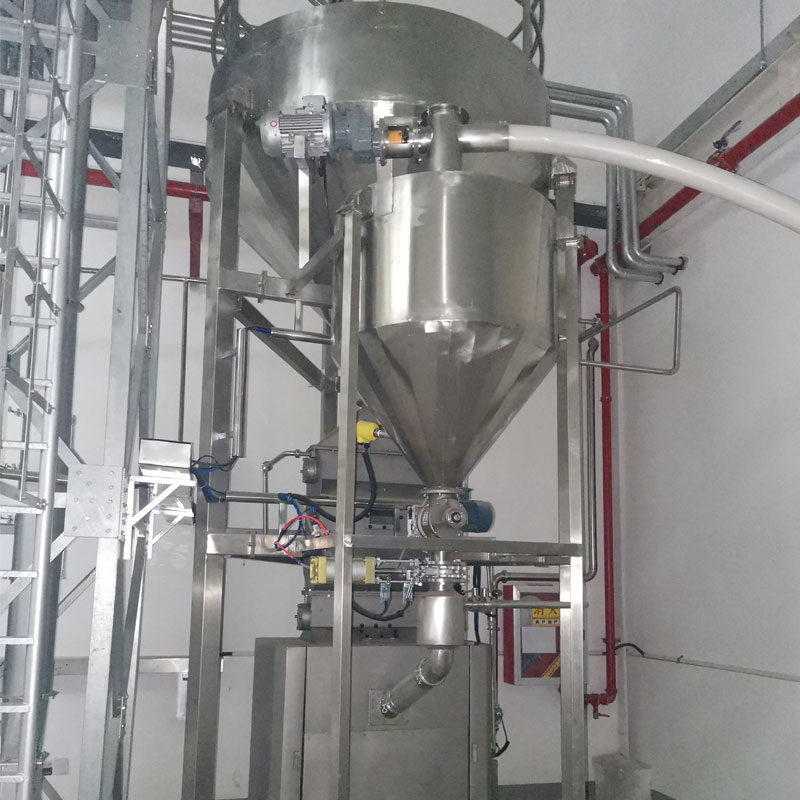
For many craft breweries, a flexible auger is one of the simplest ways to automate malt conveying. Imagine a 1,000 L or 2,000 L brewhouse installed in a relatively compact building. The malt mill may not be directly underneath the grist hopper. Instead, the brewer may have: Malt Storage → Mill → Platform → Grist Hopper with pipes, tanks and structural columns in between. Installing a rigid stainless steel conveyor may require multiple sections, supports and customized bends. A flexible auger can often follow a much simpler route.
Recommended for:
- 500–2,000 L craft breweries
- Pilot breweries
- Brewpubs
- Small malt handling systems
- Existing breweries
- Limited installation spaces
For these applications, installation flexibility may be more valuable than maximum conveying capacity.
5. Stainless Steel Auger for Commercial Breweries
For larger breweries, grain consumption increases significantly. A commercial brewery may need to transfer several tons of malt per hour. In this situation, the conveying system needs to provide:
- Stable throughput
- Reliable continuous operation
- Strong mechanical construction
- Easy integration with automation
- Long service life
A rigid stainless steel auger can be integrated into a complete malt handling system.
For example: Malt Silos → Malt Weighing → Malt Mill → Screw Conveyor → Grist Case → Brewhouse
The complete system can be controlled automatically. This reduces manual grain handling and improves production efficiency.
6. Don’t Select an Auger Based Only on Tons per Hour
A common mistake is to ask:
“I need a 2 t/h conveyor. What size auger do I need?”
Capacity alone is not enough. The correct conveyor size depends on:
① Grain Bulk Density
Different materials have different bulk densities. For example, malt, wheat, corn and rice do not behave exactly the same way.
② Particle Size
Whole malt and milled grain have different flow characteristics.
③ Conveying Distance
A 5 m conveyor and a 20 m conveyor cannot necessarily use the same motor and screw configuration.
④ Inclination
As the conveyor becomes more inclined, conveying capacity generally decreases.
⑤ Screw Speed
Higher speed does not always mean better conveying.
⑥ Filling Rate
The screw should operate at an appropriate filling level to maintain stable conveying.
⑦ Number of Bends
This is especially important for flexible augers.
Therefore, professional equipment selection should be based on the complete conveying conditions, not simply the nominal capacity.
7. How to Choose the Right Auger for Your Brewery
A brewery can use the following practical selection logic.
Choose a Flexible Auger if:
✔ Your brewery is small or medium-sized
✔ Grain consumption is relatively low
✔ Conveying distance is short
✔ Installation space is limited
✔ The route contains many obstacles
✔ You may change the equipment layout
✔ You want a simple and economical conveying solution
Choose a Stainless Steel Auger if:
✔ Your brewery has high malt consumption
✔ The conveying route is long
✔ The production layout is fixed
✔ Continuous operation is required
✔ You need higher conveying capacity
✔ You require robust permanent installation
✔ The conveyor will be integrated into an automated malt handling system
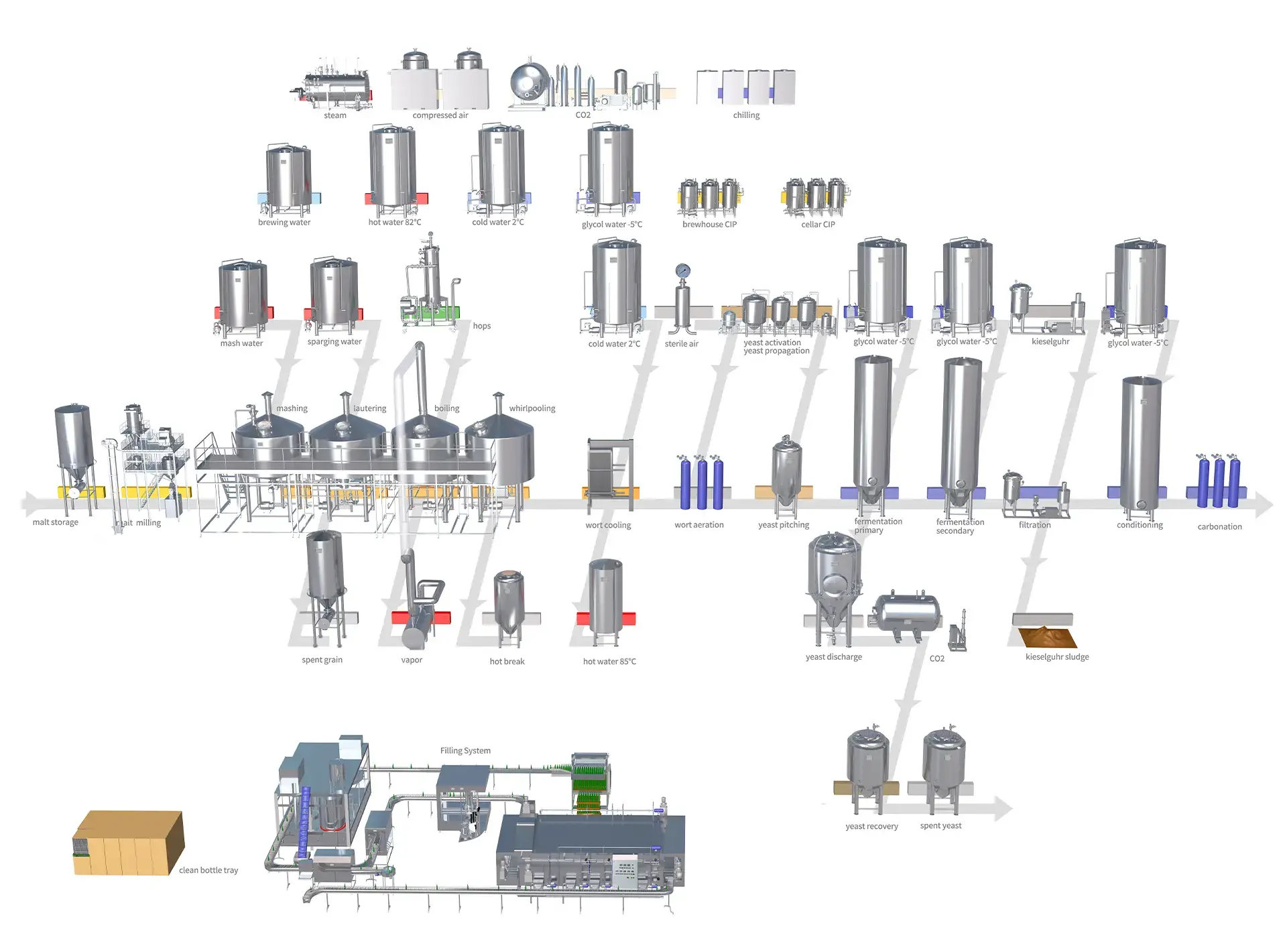
8. Brewery Grain Conveying Is More Than Just an Auger
A complete brewery grain handling system may include:
Malt Silo
↓
Malt Screw Conveyor
↓
Malt Mill
↓
Magnetic Separator / Grain Protection
↓
Grist Conveyor
↓
Grist Case
↓
Brewhouse
Depending on the brewery size, the system may also include:
- Malt weighing system
- Dust collector
- Grain hopper
- Level sensors
- Pneumatic valves
- Automatic control system
- PLC control
- Variable-frequency drives
For a larger brewery, designing these components as one integrated system can provide better reliability than selecting each component independently.
9. What About Cleaning?
Although grain conveying occurs before mashing, hygiene should still be considered. Malt dust and flour can accumulate inside conveying equipment. A well-designed system should provide easy access for inspection and maintenance. For stainless steel augers, consider:
- Smooth internal surfaces
- Inspection openings
- Easy-access covers
- Sanitary construction
- Appropriate stainless steel materials
- Easy disassembly where required
For flexible augers, consider:
- Food-grade conveying tubes
- Easy tube replacement
- Easy disassembly
- Cleaning procedures
- Avoiding excessive bends
The conveyor should be designed according to the brewery’s overall hygiene and maintenance strategy.
10. Stainless Steel Auger or Flexible Auger: Which One Costs Less?
Initial price should not be the only consideration. A flexible auger may have a lower installation cost because the conveying route is easier to install.
A stainless steel auger may require:
- Customized stainless steel tubes
- Supports
- Flanges
- Structural installation
- More fabrication work
However, for high-capacity commercial breweries, the rigid system may provide better long-term value. Therefore, brewery owners should compare: Purchase Cost + Installation Cost + Maintenance Cost + Energy Consumption + Expected Service Life rather than simply comparing the equipment quotation.
11. A Practical Example
Suppose a brewery has a: 2,000 L brewhouse and the malt mill is located approximately: 4–6 m from the grist hopper.
The building has limited space and several existing tanks around the mill. The brewery does not require very high grain throughput.
Recommended solution: Flexible Auger Conveyor
Why? Because:
- Conveying distance is relatively short
- Required capacity is moderate
- Space is limited
- Flexible routing is useful
- Installation is simple
- Investment can be controlled
Now consider a brewery with: 10,000 L+ brewhouse and a centralized malt handling system. The malt silos are located outside the production building, and the conveying distance is relatively long. The brewery requires automated operation.
Recommended solution: Stainless Steel Auger Conveyor
Why?
- Higher conveying capacity
- Fixed conveying route
- Better suitability for continuous operation
- Easier integration into an automated system
- Stronger structure for permanent installation
This illustrates an important principle: The best conveyor is determined by the brewery’s process—not simply by the equipment name.
12. Questions to Ask Before Ordering a Brewery Grain Conveyor
Before requesting a quotation, a brewery should provide at least the following information:
Basic Brewery Information
- Brewhouse capacity: ___ L/batch
- Brewing batches per day: ___
- Malt consumption per batch: ___ kg
- Maximum grain consumption per hour: ___ kg/h
- Grain type: Malt / Wheat / Rice / Corn / Oats / Other
Layout Information
- Horizontal conveying distance: ___ m
- Vertical lifting height: ___ m
- Conveyor inclination: ___°
- Number of bends: ___
- Available installation space: ___
Equipment Information
- Malt mill capacity: ___ kg/h
- Grist hopper capacity: ___ kg
- Required automation level: Manual / Semi-Automatic / Automatic
- Electrical standard: ___ V / ___ Hz / 3 Phase
- Preferred material: SS304 / Other
With these parameters, the supplier can calculate the appropriate auger diameter, screw speed, motor power and conveying capacity.
13. Why Work With a Brewery Equipment Manufacturer?
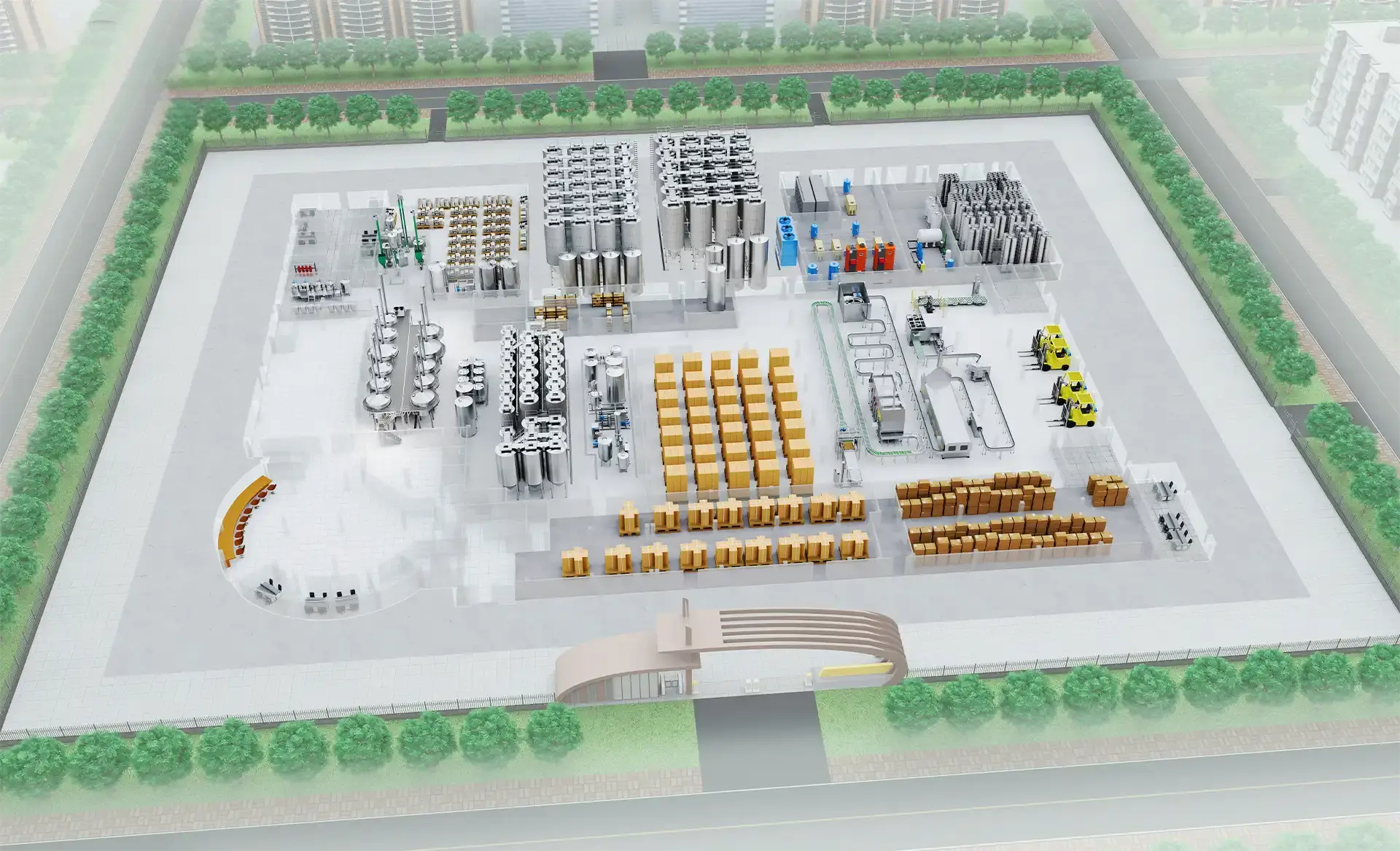
A grain conveyor should not be considered as an isolated machine. Its performance is closely related to the: Malt Silo + Malt Mill + Grist Hopper + Brewhouse + Control System
A brewery equipment manufacturer with experience in complete brewing systems can design the conveying system according to the entire production process. This helps avoid common problems such as:
- Conveyor capacity too small
- Excessive motor power
- Unnecessary grain damage
- Difficult installation
- Poor equipment positioning
- Insufficient grist hopper capacity
- Difficult future expansion
14. TIANTAI Brewery Grain Handling Solutions
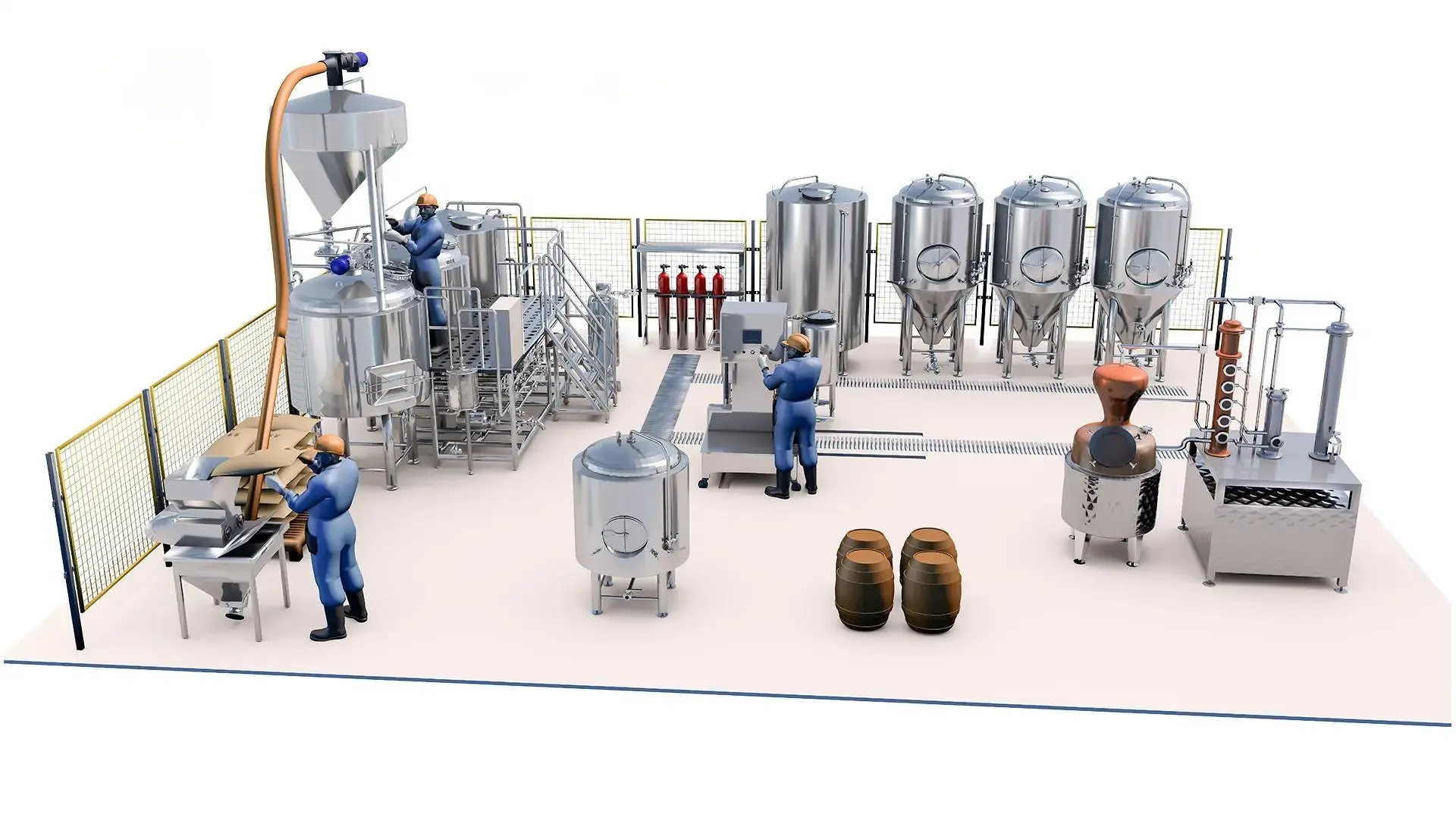
TIANTAI provides customized brewery equipment and grain handling solutions for craft breweries, commercial breweries and industrial brewing projects. Instead of offering the same conveyor configuration for every brewery, TIANTAI evaluates the actual production requirements and brewery layout.
The system can be designed around: Malt Storage → Malt Conveying → Malt Milling → Grist Handling → Brewhouse Depending on the project, the solution can use a stainless steel rigid auger, flexible auger or other suitable grain conveying technology.
Our goal is simple: Choose the most practical conveying system for your brewery—not simply the most expensive or most powerful one.
Frequently Asked Questions
1.Is a flexible auger suitable for a brewery?
Yes. Flexible augers are particularly suitable for small and medium-sized breweries, short conveying distances and installations where space is limited.
2.Is stainless steel better than a flexible auger?
Not necessarily. Stainless steel rigid augers are generally better for fixed, high-capacity and long-distance applications, while flexible augers are better when installation flexibility and compactness are important.
3.Can an auger conveyor transport milled malt?
Yes, but the conveyor should be properly designed for grist. Screw speed, conveying capacity, distance and inclination should be controlled to minimize unnecessary mechanical impact and dust generation.
4.How do I calculate the required malt conveyor capacity?
Start with the maximum malt consumption per hour rather than the brewhouse volume alone. The calculation should also consider bulk density, conveying distance, inclination, screw diameter and operating speed.
5.What conveyor is best for a 1,000 L brewery?
For many 1,000 L craft breweries, a flexible auger is a practical choice, particularly when the conveying distance is short and the available space is limited.
6.What conveyor is best for a 10,000 L brewery?
A stainless steel rigid auger is often more appropriate for a 10,000 L commercial brewery, especially when the brewery has a fixed layout, higher malt consumption and automated grain handling requirements.
Final Recommendation
There is no universal answer to “Stainless Steel Auger or Flexible Auger?” The right decision should be based on:
Brewery Capacity
↓
Malt Consumption
↓
Grain Characteristics
↓
Conveying Distance
↓
Conveying Height
↓
Brewery Layout
↓
Automation Requirements
↓
Future Expansion
For small craft breweries, flexible augers often provide the best balance between flexibility, simplicity and investment. For large commercial breweries, stainless steel rigid augers are generally more suitable for high-capacity, fixed and automated grain handling systems. The best grain conveying system is not necessarily the biggest system. It is the system correctly designed for your brewery’s actual production needs.

TIANTAI — Customized Brewery Equipment & Grain Handling Solutions
Daisy: [email protected]