Fermentación de la cerveza
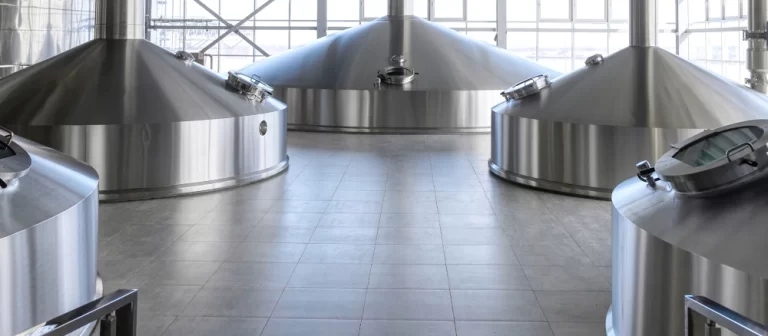
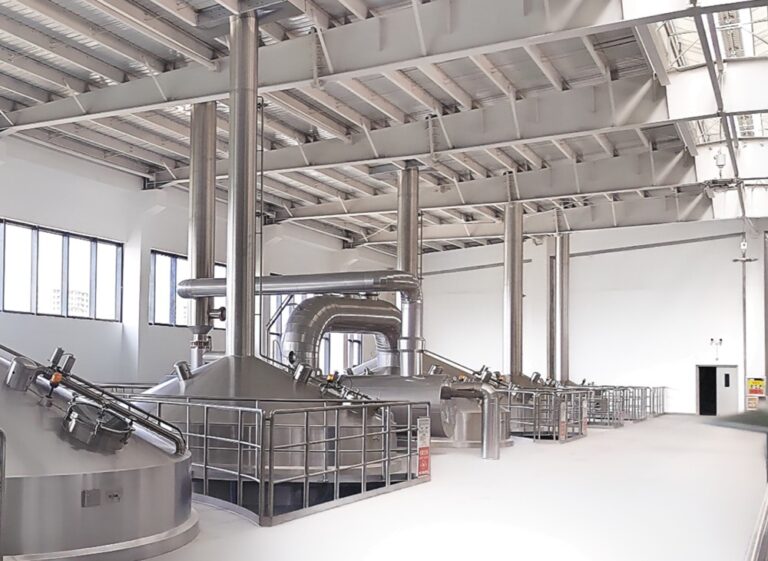
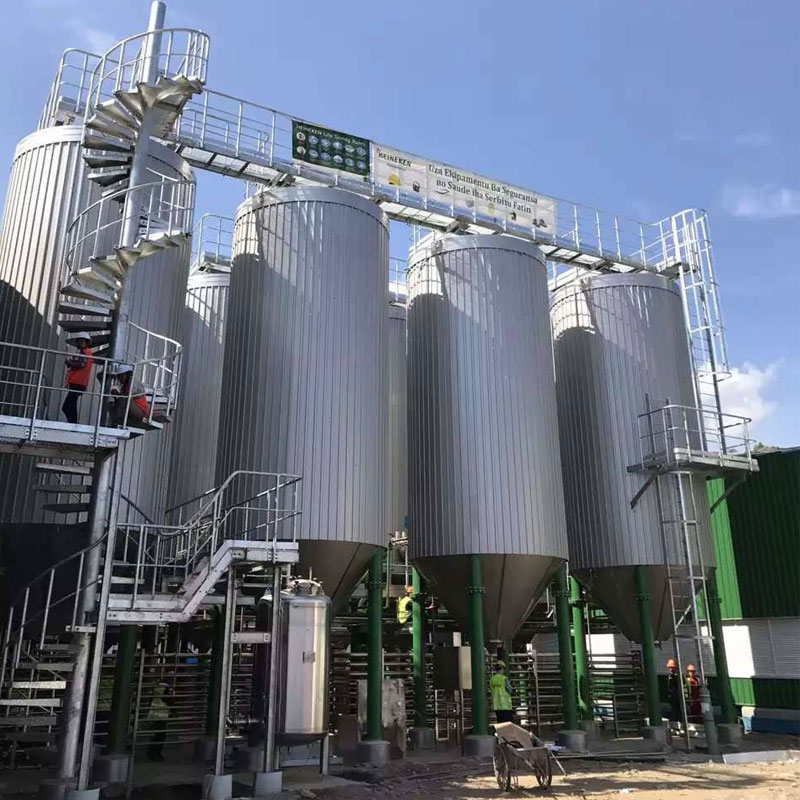
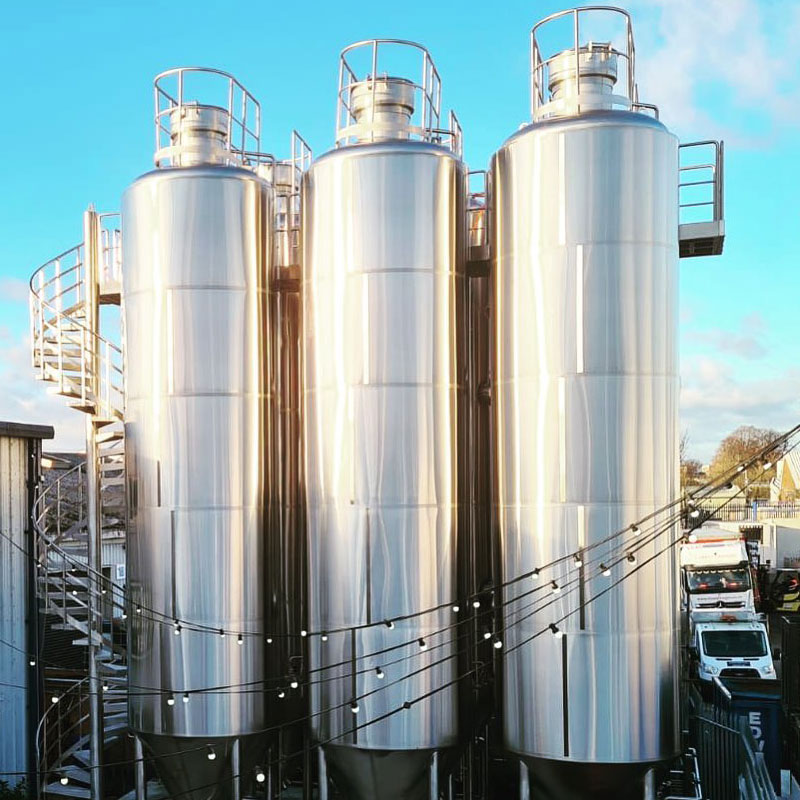
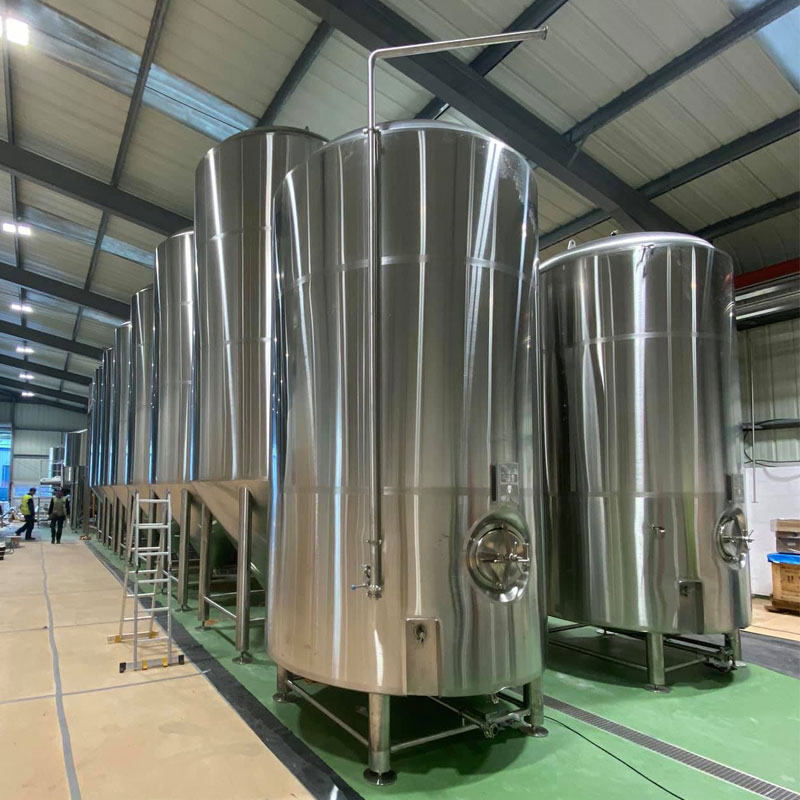
Una vez preparados los ingredientes para la elaboración de la cerveza (lo cual solo te llevará una o dos horas), la mezcla se vierte en el recipiente de fermentación, donde se mantendrá muy activa durante los próximos dos días, seguidos de otros diez días aproximadamente de fermentación más lenta. El tiempo total de fermentación es de unas dos semanas, así que tenlo en cuenta a la hora de calcular el tiempo total de espera. Una vez que la cerveza haya completado su primera fermentación, tendrás que embotellarla tras añadir azúcar de priming (o, si quieres ahorrarte un poco de tiempo y trabajo, pastillas de carbonatación). Una vez tapadas las botellas, tendrás que guardarlas en un lugar oscuro a temperatura ambiente durante al menos dos semanas y, tal vez, hasta un mes para que se produzca el acondicionamiento en botella. Durante este tiempo, se produce una pequeña fermentación secundaria, ya que la levadura restante en la cerveza convierte los azúcares de la azúcar de priming en dióxido de carbono; si no esperas lo suficiente durante este paso, podrías acabar con una cerveza sin gas.
Ales frente a Lagers
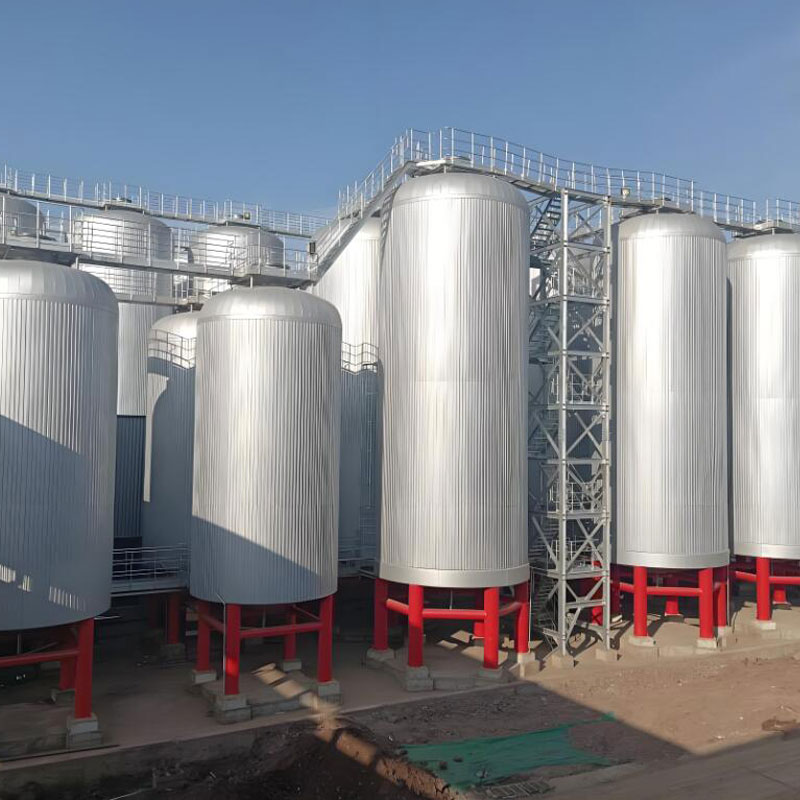
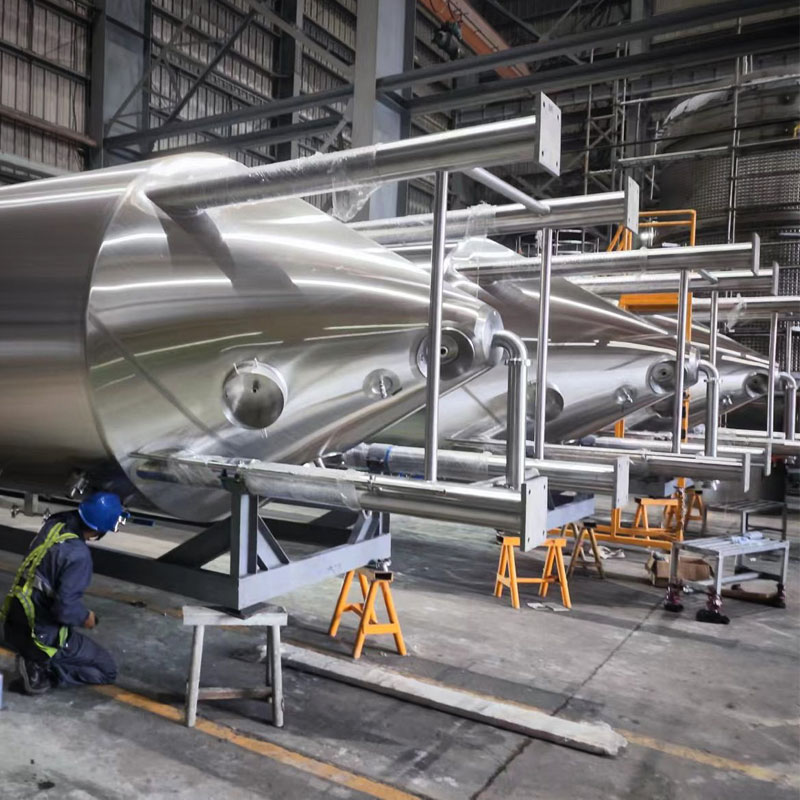
Los distintos tipos de cerveza pueden tardar un poco más o menos en fermentar y se benefician de períodos de maduración en botella más largos o más cortos. Por ejemplo, las ales no suelen tardar más de dos semanas en estar listas para beber una vez que se han trasvasado del kit de elaboración de cerveza a las botellas. Las lagers dan mejores resultados con un maduración de entre cuatro y seis semanas tras el embotellado. Si no puedes esperar, no pasa nada por probarlas al cabo de dos semanas, pero muchas cervezas mejoran con un maduración más prolongado. Hay que reconocer que la elaboración casera de cerveza implica mucha espera, pero en cuanto des el primer sorbo, estarás de acuerdo en que ha merecido la pena. Una vez que pruebes tu creación, sin duda querrás empezar con tu siguiente lote de inmediato para no volver a quedarte nunca más sin cerveza fresca y casera.


Obtenga más información sobre cómo la empresa de equipos de cerveza Tiantai no sólo produce equipos de cervecería de la mejor calidad para cervezas ricas en sabor, sino que también les ayuda a optimizar la configuración, maximizar el tiempo de actividad del proceso y reducir la pérdida de cerveza cuando elaboran cerveza, ¡NO DUDE EN CONTACTAR CON NOSOTROS!
Hubert
Correo electrónico: [email protected]