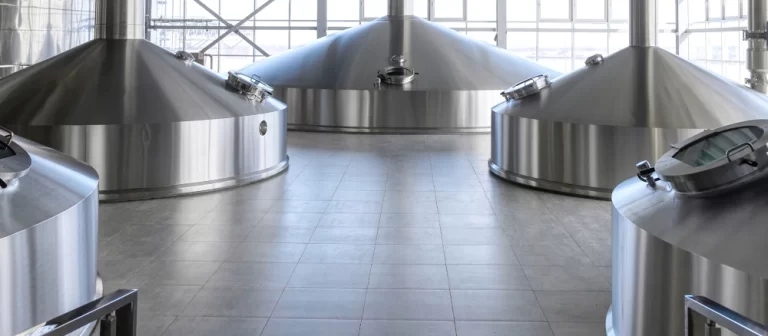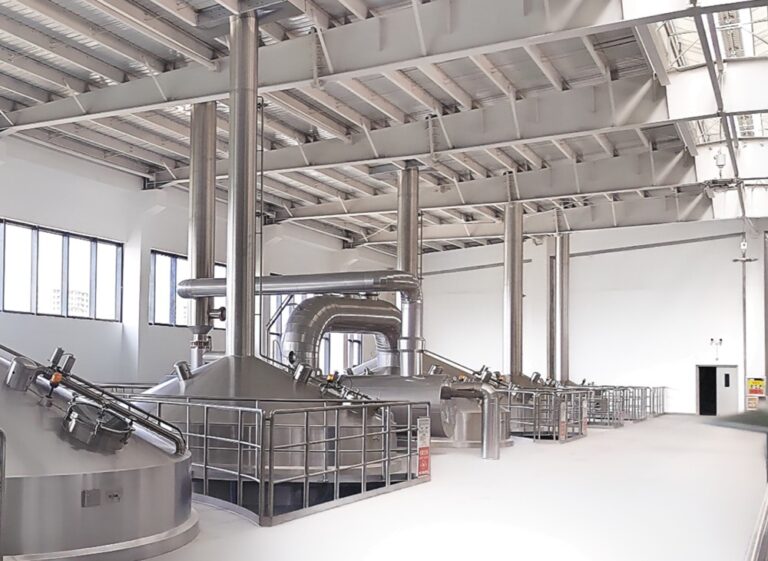
In an industrial kombucha brewing operation, making a SCOBY (Symbiotic Culture of Bacteria and Yeast) is a critical step for starting the fermentation process. While the basic process of creating a SCOBY in industrial brewing is similar to home brewing, the scale, conditions, and efficiency required for large-scale production make it a bit more complex. Below is a guide on how to create a SCOBY in an industrial setting, ensuring that it’s healthy, consistent, and scalable.
Key Ingredients & Equipment:
Water: Clean, filtered water to brew the tea
Sugar: Typically, white cane sugar is used, as it is the preferred food for the yeast in the SCOBY.
Tea: Black or green tea bags or loose leaf tea (can use a variety of teas based on desired flavor).
Starter Liquid: 1-2% of the total volume should be raw, unflavored kombucha from a previous batch or commercial unpasteurized kombucha.
Fermentation Vessel: A large stainless steel or food-grade plastic tank (often 200-500 gallons or larger depending on the scale of production).
SCOBY growth containers: Dedicated tanks or vessels designed for SCOBY cultivation.
pH meter and temperature control systems (heating or cooling jackets).
Aeration systems (for larger fermentation tanks).
Sterilization and cleaning equipment for tank sanitation.
1. Brew the Tea Base
In industrial brewing, brewing tea on a large scale is the first step in creating the base for the SCOBY. Here’s how to proceed:
Prepare the Tea:
Boil large quantities of water (typically 200-500 gallons depending on your tank size). Once the water boils, add your tea (black tea is the most common for kombucha, though green tea can be used). Steep the tea for 10-15 minutes, allowing the tea to fully infuse and extract flavor.
Add Sugar:
Stir in white cane sugar until it is fully dissolved. The sugar content is essential for feeding the yeast in the SCOBY during fermentation. Typically, 1 cup of sugar per gallon of water is used, but this can be adjusted based on specific recipes or strain requirements.
Cool the Tea:
Allow the sweetened tea to cool to room temperature (around 70°F to 80°F or 21°C to 27°C). This is crucial because hot tea will kill the beneficial bacteria and yeast needed to form a healthy SCOBY.
2. Add Starter Liquid
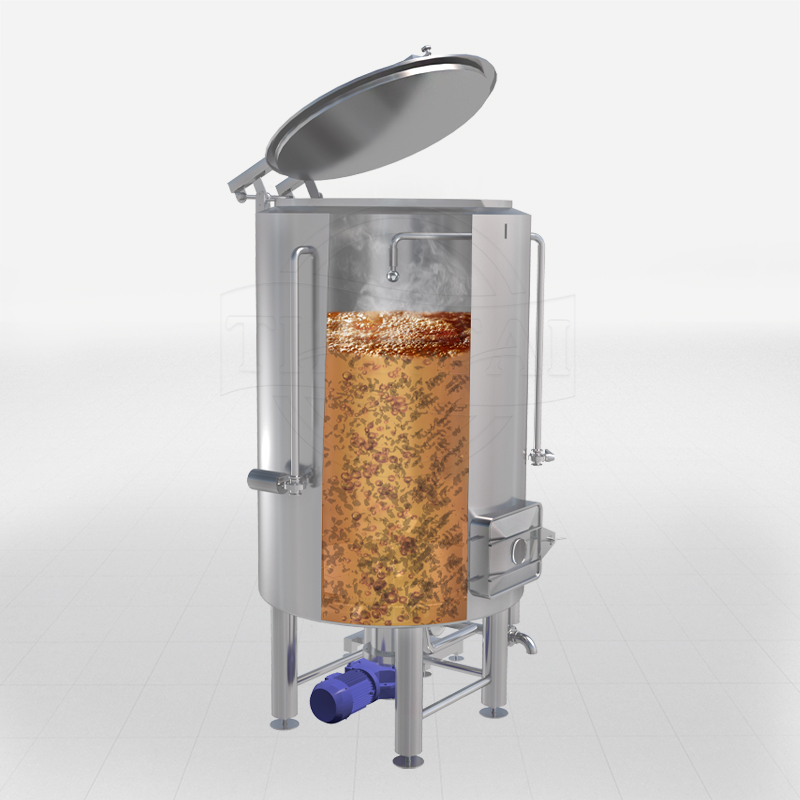
Once the tea has cooled, the next step is to add the starter liquid. In an industrial operation, this is usually 1-2% of the total batch size.
Starter Liquid: The starter liquid is typically raw kombucha from a previous batch or commercial kombucha that is unpasteurized and contains live cultures. This liquid contains the essential bacteria and yeast strains needed to begin the fermentation process and encourage the growth of the SCOBY.
For example, if you are fermenting 500 gallons of tea, you would need to add around 5-10 gallons of starter kombucha.
3. Set Up the Fermentation Vessel
The fermentation vessel in an industrial setting is usually much larger than what is used in home brewing. Here’s how to prepare the vessel:
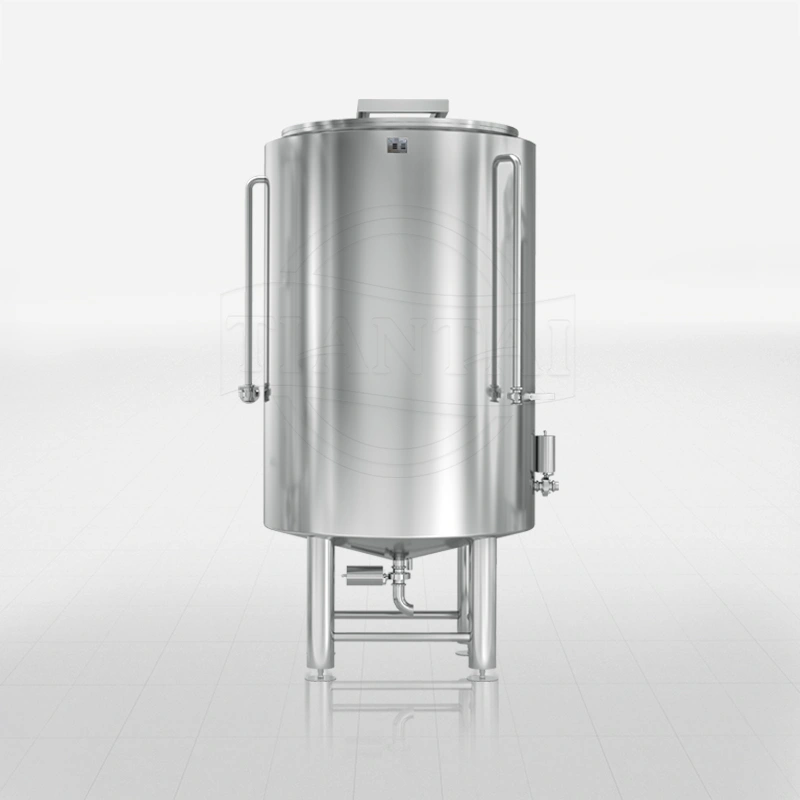
Use a Large Fermentation Tank: For industrial-scale brewing, you’ll use stainless steel or food-grade plastic fermentation tanks. These tanks are designed to handle large quantities of liquid and are usually equipped with temperature control systems (cooling or heating jackets) and aeration or ventilation systems to manage CO2 buildup.
Temperature and pH Control: The tank should be maintained at a temperature of 70°F to 80°F (21°C to 27°C) for optimal fermentation. Temperature fluctuations can slow down fermentation or result in off-flavors, so temperature sensors and automated systems are critical. Additionally, maintaining a pH of around 4.5 to 3.5 is important, as this is the ideal environment for the growth of the SCOBY.
Airflow: Adequate airflow is needed for the proper growth of the SCOBY. In large tanks, a ventilation system or airlock is used to allow carbon dioxide to escape while preventing oxygen from entering, as kombucha fermentation is an anaerobic process.

4. Cultivating the SCOBY
Now that the tea and starter liquid are combined, and the fermentation tank is set up, the SCOBY formation begins. In an industrial environment, you want to ensure uniformity and consistency in how the SCOBY forms.
SCOBY Growth Conditions: Within 7-10 days, a thin film will begin to form on the surface of the tea. Over the next 1-2 weeks, this film will thicken, eventually becoming a solid SCOBY. The yeast and bacteria from the starter liquid feed on the sugar and convert it into beneficial acids, which contribute to the formation of the SCOBY.
Maintain Consistency: During this phase, it’s essential to monitor the temperature, pH, and gravity. Many industrial systems are equipped with automated control systems (SCADA or PLC) that allow brewers to monitor these variables remotely and make adjustments in real-time to ensure optimal conditions for SCOBY formation.
Aeration: In larger tanks, gentle aeration can help ensure even distribution of the yeast and bacteria and keep the growing SCOBY from becoming too dense. This process mimics the gentle agitation found in smaller fermentation vessels.
5. Harvesting and Transferring the SCOBY
Once the SCOBY has grown to the desired thickness (typically ¼ to ½ inch), it is ready to be harvested and transferred.
Harvesting: In industrial brewing, this is usually done manually with a SCOBY harvester or a vacuum system designed to remove the culture from the fermentation tank without damaging it.
Storage: The SCOBY is then stored in a separate jar or tank with a small amount of the kombucha liquid to keep it alive and healthy until it’s ready to be used in the next fermentation cycle.
Consistency: It’s essential to maintain consistency in the texture, thickness, and quality of the SCOBY, as this will affect the final kombucha product. Regular monitoring and adjusting of fermentation conditions will help ensure that every batch of SCOBY produced meets the same quality standards.
Conclusion
Making a SCOBY in an industrial kombucha brewing setup requires careful attention to the fermentation environment, including temperature, pH, and aeration. Using large-scale stainless steel tanks with automated controls can streamline the process, making it efficient and consistent. By following the outlined steps and maintaining optimal conditions, industrial kombucha producers can cultivate healthy SCOBYs to ensure high-quality kombucha in every batch.