Beer carbonation and beer conditioning are two important stages in the brewing process. Although they are closely related, they serve different purposes in developing the final beer’s taste, aroma, and texture.
When carbonating and conditioning beer in bottles, the entire process is commonly known as bottle conditioning. However, we can divide it into two stages to better understand what happens inside the bottle and how yeast contributes to beer quality.
The good news is that you generally do not need to change your brewery system equipment or move your bottled beer between different locations during these two stages. Under suitable conditions, the bottles can remain in the same place at a consistent temperature.
Let’s take a closer look at the difference between beer carbonation and conditioning.
1. What Is Beer Carbonation?
Beer carbonation is the process of dissolving carbon dioxide (CO₂) into beer to create the refreshing bubbles and foam that we associate with carbonated beer.
In bottle conditioning, carbonation usually begins after the beer has been transferred into bottles with a measured amount of priming sugar or carbonation drops.
The remaining yeast consumes this additional sugar and produces CO₂ as a natural byproduct of fermentation. Since the bottle is sealed, the CO₂ gradually dissolves into the beer, building up carbonation pressure.
This process typically takes around 1–2 weeks, depending on the yeast activity, beer composition, sugar quantity, and storage temperature.
Proper carbonation provides several benefits:
Creates the bubbles and foam head in beer.
Gives beer a refreshing and lively mouthfeel.
Helps release and carry aromatic compounds.
Contributes to the overall balance of beer flavor.
If you taste your beer before bottling, it may seem flat and less expressive. After carbonation, the CO₂ helps enhance the drinking experience by bringing together the beer’s aroma, flavor, and mouthfeel.
2. What Is Beer Conditioning?
After the initial carbonation stage, beer continues to mature and develop its flavor. This process is called beer conditioning.
During conditioning, the yeast remains active to some extent and can help reduce certain fermentation-related off-flavors. Meanwhile, different flavor compounds gradually integrate, allowing the beer to develop a smoother and more balanced taste.
For example, some young beers may have green, harsh, or slightly cidery notes. Depending on the cause, appropriate conditioning and yeast activity can help reduce certain undesirable flavors.
Conditioning is particularly beneficial for some malt-forward beers and beers with higher alcohol content (ABV), as they may benefit from additional maturation time.
However, conditioning time varies depending on the beer style, recipe, yeast strain, alcohol content, and storage conditions. Some beers are ready relatively quickly, while others benefit from several additional weeks or even months.
One important consideration is hop aroma and flavor. The delicate aromatic compounds in hops can gradually fade during extended storage. Therefore, highly hopped beers, such as IPAs, are often best enjoyed relatively fresh.
3. Beer Carbonation vs. Conditioning: What Is the Difference?
Although carbonation and conditioning happen during the same general bottle-conditioning period, their main purposes are different.
Beer carbonation focuses on developing CO₂ levels in the beer. Yeast consumes priming sugar and produces carbon dioxide, creating bubbles, foam, and the desired mouthfeel.
Beer conditioning, on the other hand, focuses on flavor development and maturation. During this stage, yeast activity and other maturation processes help improve flavor balance and reduce certain undesirable fermentation characteristics.
In simple terms, carbonation gives beer its bubbles, while conditioning helps develop its flavor and overall drinking quality.
The two stages can overlap, and their timing is not fixed for every beer style.
4. How Does Conditioning Affect Different Beer Styles?
Different beer styles require different conditioning periods.
Pale Ale and IPA: These beers are often best enjoyed fresh to preserve their delicate hop aroma and flavor.
Stout and Porter: Malt-forward beers may benefit from additional conditioning to help integrate roasted, chocolate, and coffee-like flavors.
High-ABV Beers: Strong ales and other high-alcohol beers may need longer maturation to develop a smoother and more balanced profile.
Wheat Beer: Many wheat beers are designed to be enjoyed relatively young, with freshness and yeast character playing an important role.
There is no universal conditioning time for all beers. Brewers should consider the recipe, fermentation performance, yeast strain, and desired flavor profile when deciding how long to condition their beer.
5. What Brewery Equipment Is Used for Beer Carbonation and Conditioning?
Bottle conditioning is one way to carbonate and mature beer. However, commercial breweries often use different equipment and processes to achieve more consistent carbonation and production efficiency.
A professional brewery system may include:
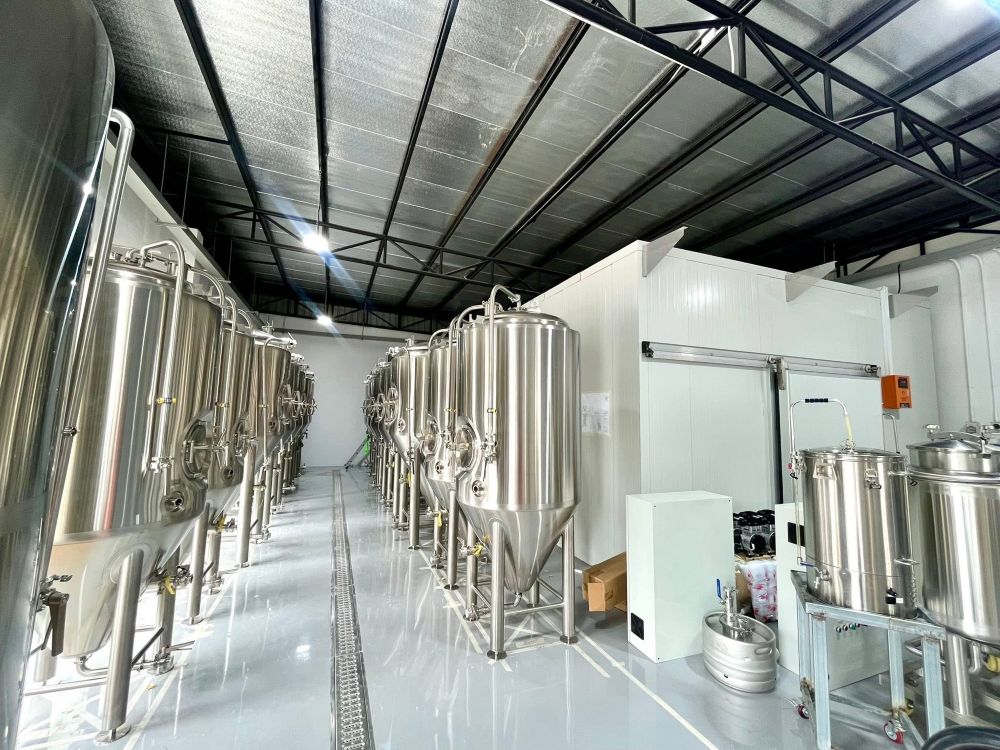
Fermentation Tanks (Unitanks)
These tanks are used for primary fermentation and, depending on the design, can also be used for beer maturation and carbonation. Pressure-rated unitanks allow brewers to manage fermentation pressure and carbonation under controlled conditions.
Bright Beer Tanks (BBTs)
Bright beer tanks are commonly used for final beer maturation, clarification, carbonation, and temporary storage before packaging. They are particularly useful for breweries that need consistent carbonation levels and efficient packaging operations.
Carbonation Systems
Inline or tank carbonation systems introduce CO₂ into beer under controlled conditions, helping breweries achieve the desired carbonation level.
The appropriate equipment depends on the brewery’s production capacity, beer styles, packaging method, and brewing process.
Tiantai is a professional beer brewery equipment manufacturer in China, providing complete brewing solutions for craft breweries, microbreweries, and commercial beer production projects.
Our equipment capacities range from 200L to 5000L, including:
Complete brewery systems and brewhouses
Stainless steel fermentation tanks and unitanks
밝은 맥주 탱크(BBT)
Beer carbonation systems
CIP 세척 시스템
Cider-making equipment
Kombucha fermentation equipment
Hard seltzer production equipment
Whether you are planning a new brewery or upgrading your existing brew system, Tiantai can provide customized beer brew system equipment to meet your production requirements.
Contact Tiantai today to discuss your brewery project and get a customized equipment quotation.
이메일: [email protected]
Best regards,
에밀리 공