Recent research and brewing techniques have increasingly focused on adding dry hops toward the end of active fermentation using a dry hopping doser.
For microbrewery equipment systems, simply opening the fermentation tank, adding hops, and closing it again is not ideal. The main concern is the potential oxygen ingress, which can negatively affect beer quality, aroma, and flavor.
Tiantai’s dry hopping doser provides an effective solution, allowing brewers to add hops into the fermenter while minimizing oxygen exposure.
How to Use a Dry Hopping Doser
The operation steps are as follows:
Install the hop doser onto the dry hopping port of the fermenter.
Open the hop doser and load the required amount of hops.
Purge the air inside the hop doser with CO₂.
Gradually supply CO₂ to pressurize the hop doser. During this process, monitor the pressure gauge until the pressure inside the doser matches the pressure inside the fermenter.
Open the valve to allow the hops to fall into the fermenter.
Safely release the remaining pressure before removing the hop doser.
Remove the doser and install it on another fermenter if needed.
This process helps minimize oxygen ingress during dry hopping and protects the beer’s aroma and flavor.
How Does Dry Hopping Create Tropical Fruity Flavors?
One of the key factors in beer biotransformation is the interaction between yeast and aromatic compounds found in hops.
Important compounds include thiols (such as 3MH/3SH), geraniol, linalool, and 4MMP/4MSP. These compounds contribute a variety of attractive aromas:
Geraniol: Floral, rose-like, and geranium aromas.
Linalool: Floral and citrus-like, particularly orange, aromas.
4MMP/4MSP: Blackcurrant, boxwood, and tropical fruit notes.
Thiols: Depending on the specific compound, they can contribute blackcurrant, passion fruit, and muscat-like aromas.
During fermentation, yeast can transform certain hop-derived compounds into other aromatic substances. For example, geraniol can be converted into citronellol, while linalool can be transformed into other terpene alcohols, contributing to the beer’s overall aroma profile.
This process is known as yeast-driven biotransformation and is widely used by craft brewers to create beers with distinctive tropical and fruity characteristics.
When Is the Best Time to Dry Hop?
Many craft breweries add hops toward the end of active fermentation or shortly after primary fermentation begins to slow down.
At this stage, there is still sufficient active yeast in the fermenter to support biotransformation.
However, adding hops too early may not be ideal. Excessive CO₂ activity and bubbling during vigorous fermentation can strip away some of the delicate hop aroma compounds, reducing the final aroma intensity.
Therefore, choosing the right dry hopping time is important for achieving the desired aroma and flavor profile.
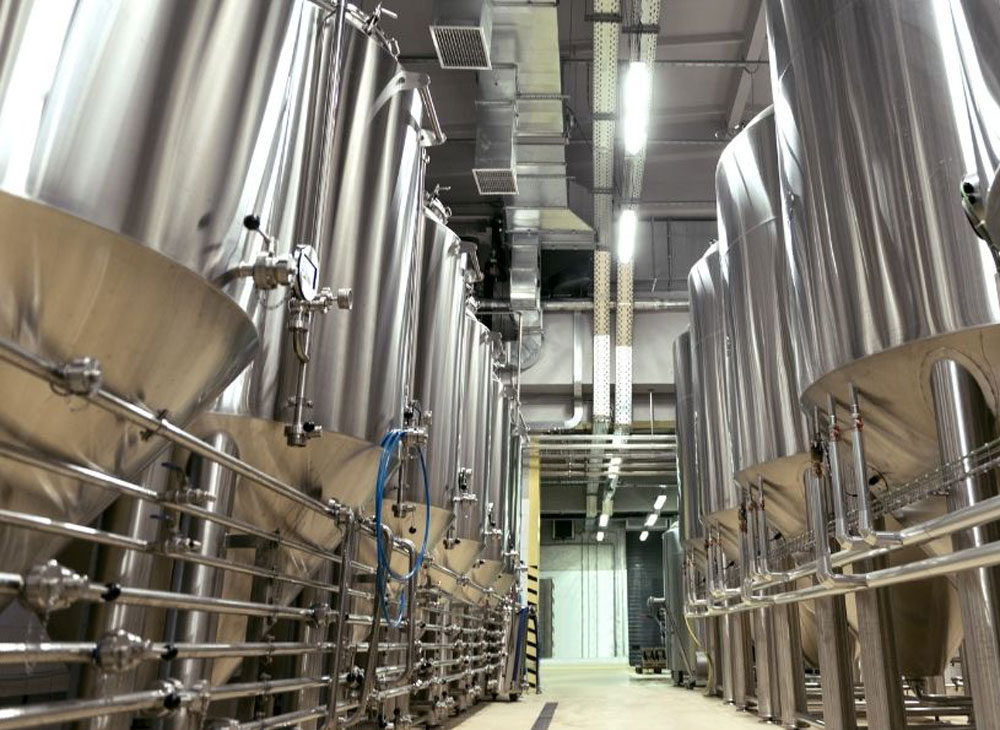
Tiantai Beer Fermentation and Storage Tanks
Tiantai provides complete brewery equipment solutions, including beer fermenter unitanks, bright beer tanks, and dry hopping systems.
Our stainless steel tanks are also suitable for various beverage production applications, including:
수제 맥주
콤부차
사이다
하드 셀처
증류주
Whether you are planning a new microbrewery or upgrading an existing brewing system, Tiantai can provide suitable equipment solutions based on your production requirements.
Contact us for more information and a customized quotation!
이메일: [email protected]
Best regards,
에밀리 공