Beer fermentation is where brewing truly comes alive. After mashing, lautering, boiling, and wort cooling, the sweet wort enters the fermentation tank. From this moment, yeast begins its fascinating work—transforming fermentable sugars into alcohol, CO₂, and hundreds of flavor compounds. For brewers, fermentation is much more than simply putting wort into a tank and waiting. Temperature, yeast, time, pressure, oxygen, gravity, and sanitation must all work together. A well-designed and properly operated fermentation tank gives brewers the control they need to produce consistent beer batch after batch.
1. What Happens Inside a Beer Fermentation Tank?
After the wort is cooled to the appropriate pitching temperature, it is transferred into a sanitized fermentation tank and yeast is added.
The basic process is: Cooled Wort → Yeast Pitching → Primary Fermentation → Diacetyl Rest → Maturation → Cooling → Yeast/Trub Separation → Beer Transfer
During fermentation, yeast consumes fermentable sugars and produces:
- Alcohol
- Carbon dioxide
- Heat
- Esters
- Higher alcohols
- Other flavor compounds
The brewer’s job is to create the right environment so that the yeast can perform consistently without producing unwanted flavors.
2. Temperature Is One of the Most Important Factors
Temperature is one of the most critical fermentation parameters. Different yeast strains require different temperature ranges, so there is no single fermentation temperature that is correct for every beer. Typical ranges are:
| Beer / Yeast Type | Typical Fermentation Temperature |
|---|---|
| American Ale | 18–22°C |
| English Ale | 18–22°C |
| Belgian Ale | 18–26°C |
| Lager | 8–14°C |
| Pilsner | 8–12°C |
| High-gravity Ale | Often 18–24°C, depending on yeast |
| Specialty Beer | Depends on yeast and recipe |
These are general operating ranges rather than universal specifications. The yeast manufacturer’s recommended temperature range should always be considered.
3. Why Is Fermentation Temperature So Important?
Yeast metabolism generates heat. As fermentation becomes active, the temperature inside the tank can rise above the surrounding room temperature. If the beer becomes too warm, yeast may produce excessive esters, fusel alcohols, or other undesirable flavors depending on the yeast strain. If the temperature is too low, fermentation may slow down or stop prematurely. This is why professional fermentation tanks normally use a glycol cooling jacket or another controlled cooling system. A temperature sensor monitors the beer temperature, while a temperature controller regulates the cooling valve or cooling system.
Typical control principle:
Temperature Sensor → PLC/Controller → Cooling Valve → Glycol Jacket → Beer Temperature Control
This allows the brewer to maintain a stable fermentation temperature.
4. How Long Does Beer Fermentation Take?
Fermentation time depends on the yeast strain, beer style, original gravity, pitching rate, temperature, oxygenation, and other process conditions. Typical primary fermentation times may be:
Ale→Approximately 4–10 days
Lager→Approximately 7–14 days or longer
High-Gravity Beer→Often 7–14 days or longer, depending on the recipe and yeast performance.
However, the brewer should not decide that fermentation is finished simply because a certain number of days have passed. Final gravity and fermentation stability are more important than the calendar. A common practice is to measure the specific gravity near the expected end of fermentation and confirm that it remains stable over subsequent measurements.
5. Original Gravity and Final Gravity
Gravity measurements are essential tools for monitoring fermentation.
Original Gravity (OG)
OG is measured before fermentation and indicates the amount of dissolved extract in the wort.
Final Gravity (FG)
FG is measured after fermentation and indicates how much fermentable extract remains. The difference between OG and FG can be used to estimate alcohol content.
A simplified calculation is: ABV ≈ (OG − FG) × 131.25
For example: OG = 1.050, FG = 1.010
Estimated ABV: (1.050 − 1.010) × 131.25 ≈ 5.25% ABV
The exact alcohol content can vary depending on the measurement method and fermentation conditions.
6. Yeast Pitching: The Beginning of Fermentation
Good fermentation starts with healthy yeast. Important factors include:
- Yeast strain
- Yeast viability
- Pitching rate
- Yeast propagation
- Wort temperature
- Wort oxygenation
- Nutrient availability
- Original gravity
Under-pitching or pitching unhealthy yeast can lead to slow fermentation, incomplete attenuation, and unwanted flavors. For consistent commercial production, breweries should establish a repeatable yeast management procedure rather than relying only on visual fermentation activity.
7. Oxygen: Necessary at the Beginning, Unwanted Later
Oxygen management is an interesting part of fermentation. Before or during yeast pitching, controlled oxygenation of wort can help yeast growth and fermentation performance. However, once fermentation is underway, unnecessary oxygen exposure should be minimized. The general principle is:
Oxygen Before Fermentation → Useful for Yeast Growth
Oxygen After Fermentation → Minimize Exposure
This becomes especially important during beer transfer, dry hopping, cooling, and packaging. For hop-forward beers such as IPA and NEIPA, oxygen management is particularly important for maintaining beer quality and aroma stability.
8. Fermentation Pressure
As yeast produces CO₂, pressure naturally builds inside a closed fermentation tank. Modern cylindroconical fermentation tanks can be designed for controlled pressure fermentation. Pressure may influence:
- CO₂ dissolution
- Yeast behavior
- Beer carbonation
- Fermentation characteristics
- Flavor development
The appropriate pressure depends on the beer style, yeast strain, fermentation stage, tank design, and brewery process. A spunding valve or pressure-control system can be used to regulate tank pressure. Brewers should always operate within the tank manufacturer’s specified pressure rating.
9. Diacetyl Rest: An Important Step for Lager
Lager fermentation often includes a diacetyl rest near the end of primary fermentation. Diacetyl can create a buttery or butterscotch-like flavor. When fermentation is nearing completion, the brewer may raise the temperature to encourage yeast to reabsorb diacetyl and complete the maturation process.
For example:
Primary Fermentation: 8–12°C
↓
Diacetyl Rest: approximately 12–16°C
↓
Maturation
↓
Cold Crash
The actual temperatures and timing should be determined by the yeast strain and fermentation profile.
10. Cold Crash: Preparing Beer for Maturation
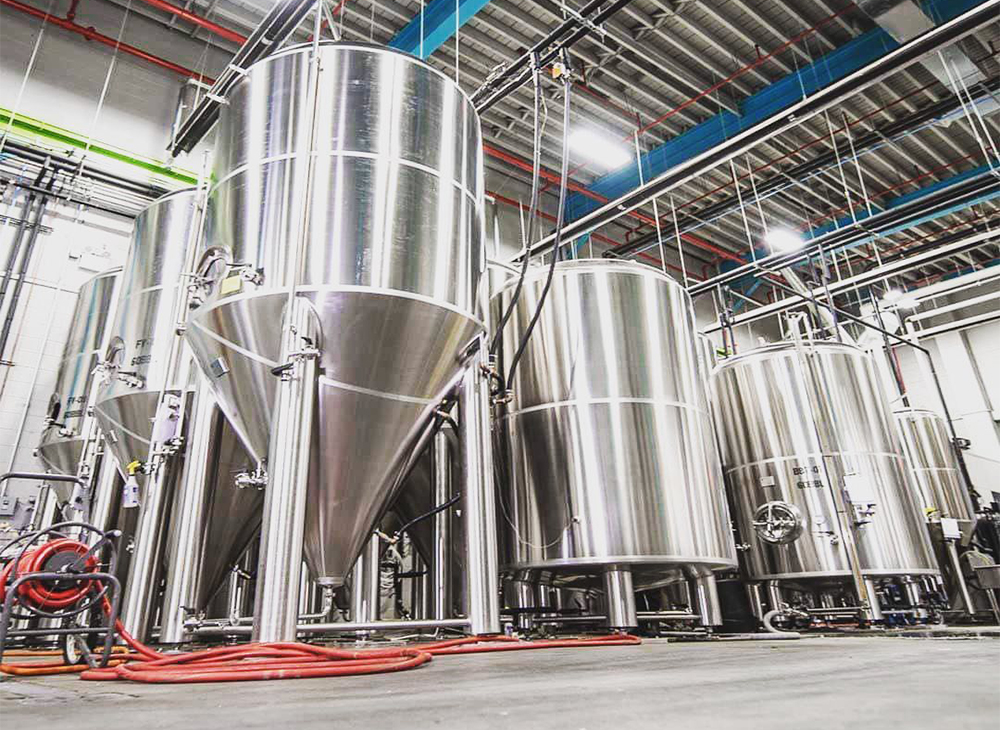
After fermentation and maturation are complete, the beer may be cooled gradually to promote yeast and other particulate sedimentation. A typical cold-crash temperature may be around: 0 to 4°C Some breweries may cool lower depending on the beer and process. Cold crashing can help:
- Improve beer clarity
- Sediment yeast
- Reduce suspended particles
- Prepare beer for transfer
- Improve filtration performance
The cooling rate should be controlled carefully, particularly when the fermentation tank is not designed to tolerate excessive vacuum conditions.
11. The Importance of Fermentation Tank Pressure During Cooling
This is an often-overlooked issue. When beer is cooled, the gas inside the tank contracts. If the tank is not properly protected, negative pressure can develop. Therefore, breweries should pay attention to:
- Tank pressure
- CO₂ supply
- Vacuum protection
- Pressure/vacuum relief valve
- Cooling rate
A fermentation tank should never be subjected to vacuum beyond its design rating. This is why proper pressure and vacuum protection are essential parts of professional fermentation tank design.
12. Dry Hopping During Fermentation
For IPA, NEIPA, and other hop-forward beers, dry hopping is often performed during or after fermentation. The timing can vary depending on the beer recipe. For example: Fermentation → Primary Fermentation → Dry Hop Addition → Hop Extraction → Maturation → Cold Crash
Breweries may use:
- Direct dry hopping
- Hop Dozer
- Hop dosing vessel
- Closed dry-hopping system
For breweries that prioritize oxygen control and repeatable hop addition, a closed Hop Dozer can provide a more controlled method of introducing hops into the fermentation tank.
13. Yeast Harvesting
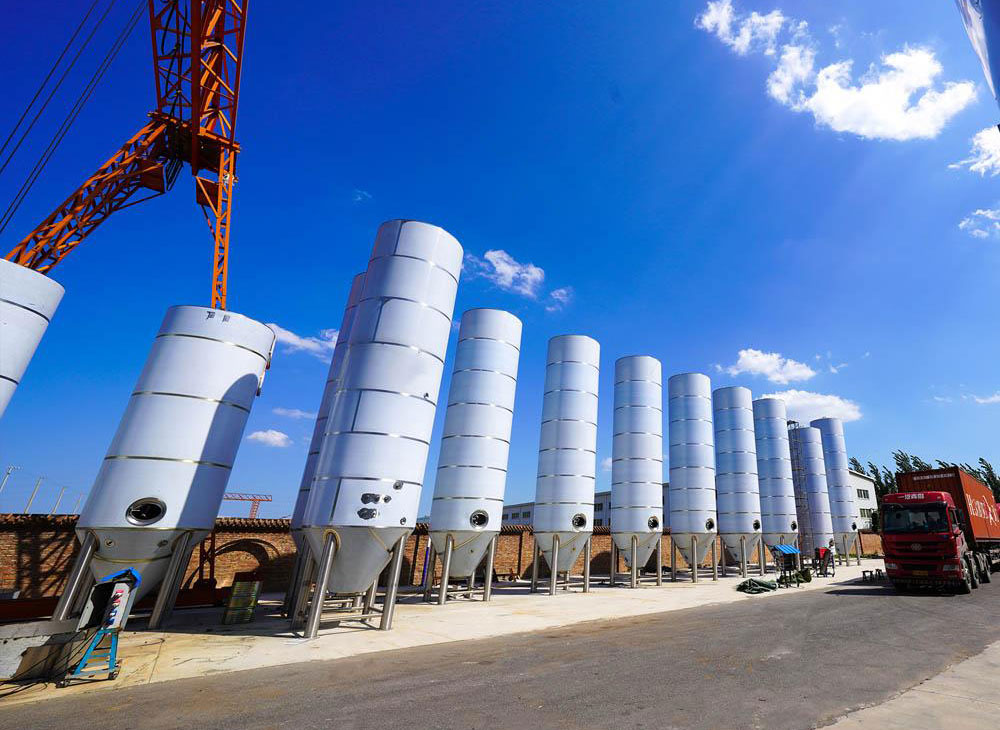
Cylindroconical fermentation tanks provide an important advantage: yeast can be collected from the cone. After fermentation, yeast settles into the bottom cone. The brewer can periodically remove: Trub, Hop sediment, Yeast.
Healthy yeast can potentially be collected and reused, depending on the brewery’s yeast-management program. Typical considerations include:
- Yeast generation
- Fermentation performance
- Contamination control
- Storage temperature
- Storage time
- Number of generations
- Sensory and laboratory evaluation
Good yeast management can significantly improve fermentation consistency.
14. Sanitation Is Non-Negotiable
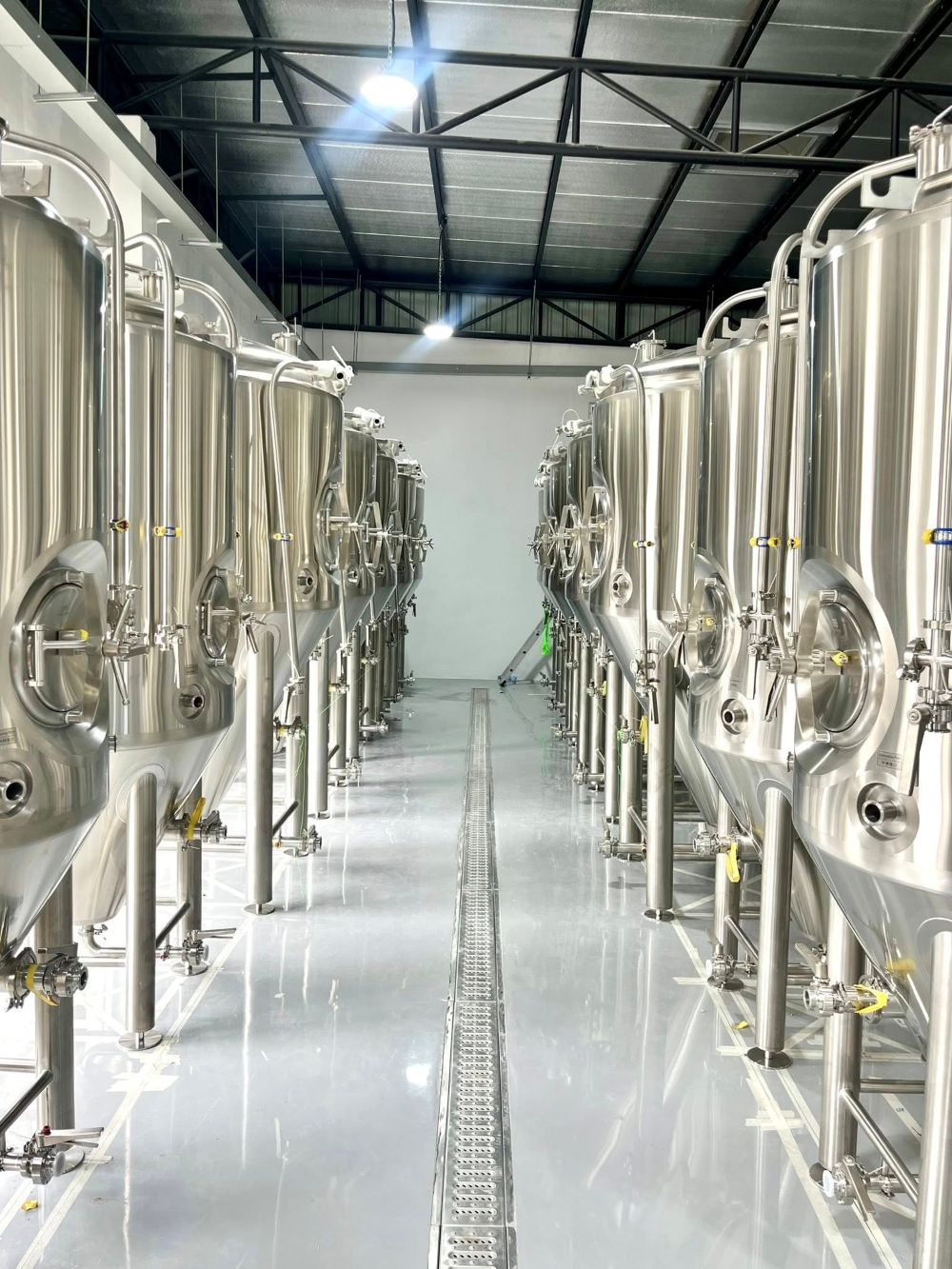
Even perfect temperature control cannot save a contaminated fermentation. The fermentation tank must be thoroughly cleaned and sanitized before receiving wort. A typical cleaning procedure may include: Pre-Rinse → Caustic Cleaning → Intermediate Rinse → Acid Cleaning When Required → Final Rinse → Sanitization
Depending on the brewery design, the fermentation tank can be connected to a CIP system for automated cleaning. Important components include:
- Spray ball
- CIP inlet
- CIP return
- Sanitary valves
- Pressure relief devices
- Temperature sensors
- Sampling valve
A clean fermentation tank is one of the foundations of consistent beer quality.
15. Typical Beer Fermentation Timeline
A simplified fermentation schedule may look like this:
Day 0 – Yeast Pitching
- Transfer cooled wort
- Oxygenate if required
- Pitch yeast
- Set fermentation temperature
Day 1–3 – Active Fermentation
- Monitor temperature
- Monitor pressure
- Observe fermentation activity
- Avoid unnecessary oxygen exposure
Day 3–7 – Main Fermentation
- Monitor gravity
- Maintain target temperature
- Adjust temperature if required
Day 5–10 – Final Fermentation / Maturation
- Confirm gravity stability
- Perform diacetyl rest when applicable
- Dry hop if required
Day 7–14+ – Conditioning
- Complete maturation
- Remove yeast/trub as appropriate
- Begin controlled cooling
Final Stage
- Cold crash
- Clarification
- Carbonation
- Transfer to BBT or packaging system
The actual timeline varies considerably according to beer style and yeast strain.
16. What Should Brewers Monitor Every Day?
A fermentation log is extremely useful for maintaining consistency. Important parameters include:
| Parameter | What to Monitor |
|---|---|
| Beer Temperature | Maintain target range |
| Tank Pressure | Keep within process limits |
| Specific Gravity | Track fermentation progress |
| pH | Monitor fermentation development |
| Yeast Activity | Evaluate fermentation performance |
| CO₂ | Monitor pressure/carbonation behavior |
| Dry-Hop Addition | Record timing and dosage |
| Sensory Profile | Detect abnormal flavors |
| Tank Condition | Check valves, fittings, leaks |
A brewery should establish its own standard operating procedures (SOPs) and fermentation records.
17. The Fermentation Tank Is More Than a Stainless-Steel Tank
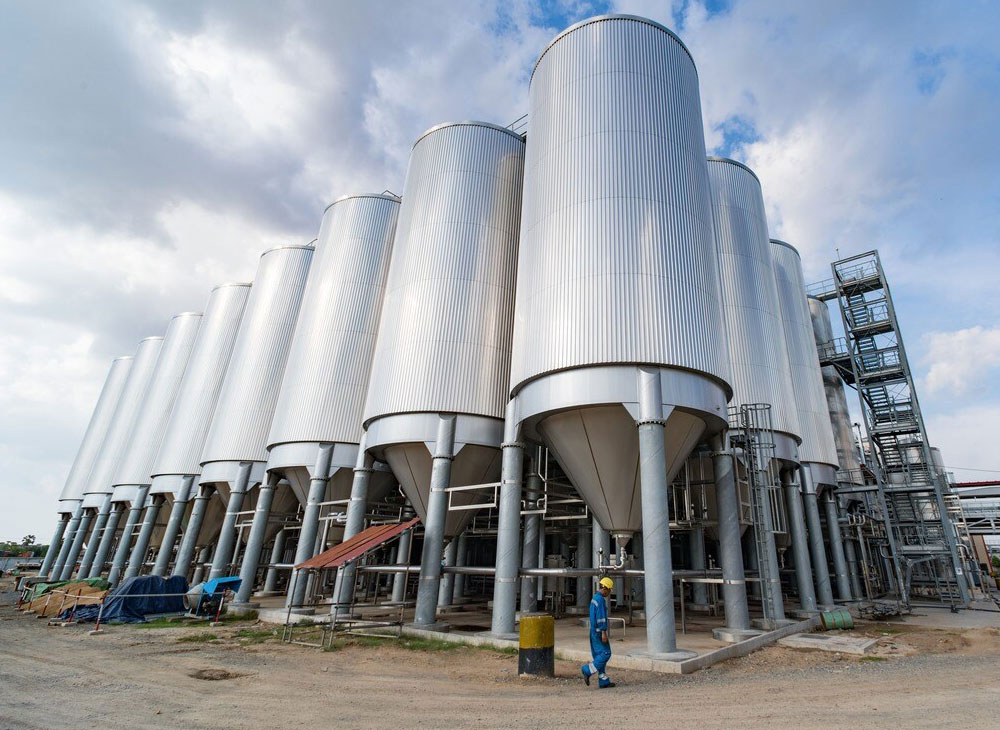
A modern fermentation tank is a complete process vessel. A properly designed tank may include:
- 304 or 316L stainless steel construction
- Conical bottom
- Glycol cooling jacket
- Temperature sensor
- Pressure gauge
- Pressure relief valve
- Vacuum protection
- Spunding valve
- CIP spray ball
- Sample valve
- Dry-hop port
- Yeast outlet
- CO₂ inlet
- Beer outlet
- Sanitary fittings
The design should be based on the brewery’s process, working pressure, cleaning method, cooling requirements, and local standards.
18. TIANTAI Fermentation Tank Solutions
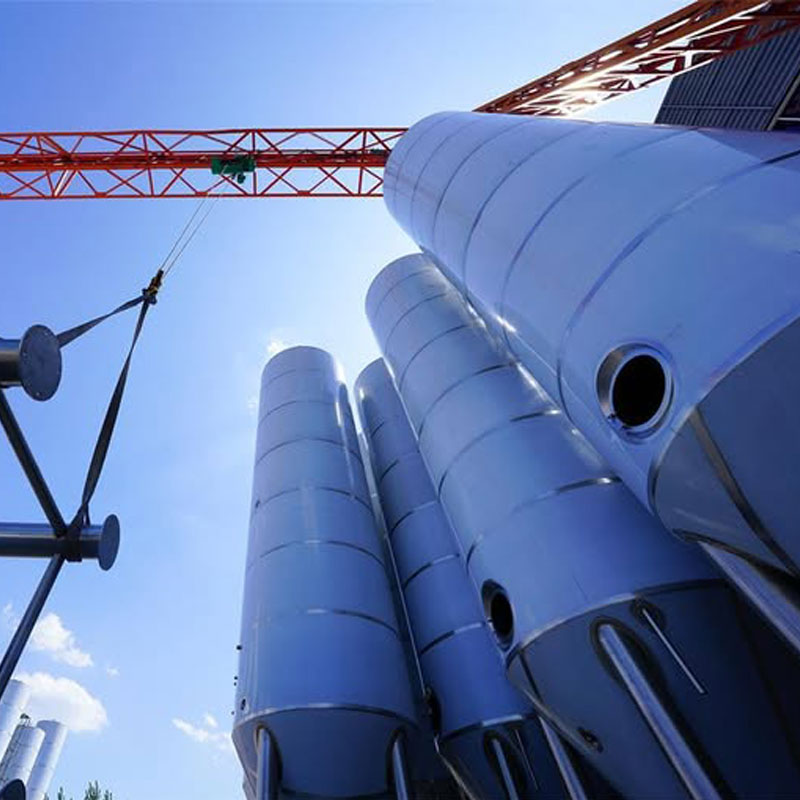
TIANTAI designs and manufactures stainless-steel fermentation tanks for craft breweries and commercial beer production. Depending on the project requirements, fermentation tanks can be customized for:
- Ale fermentation
- Lager fermentation
- IPA production
- NEIPA production
- High-gravity brewing
- Dry hopping
- Pressure fermentation
- Yeast harvesting
- Beer maturation
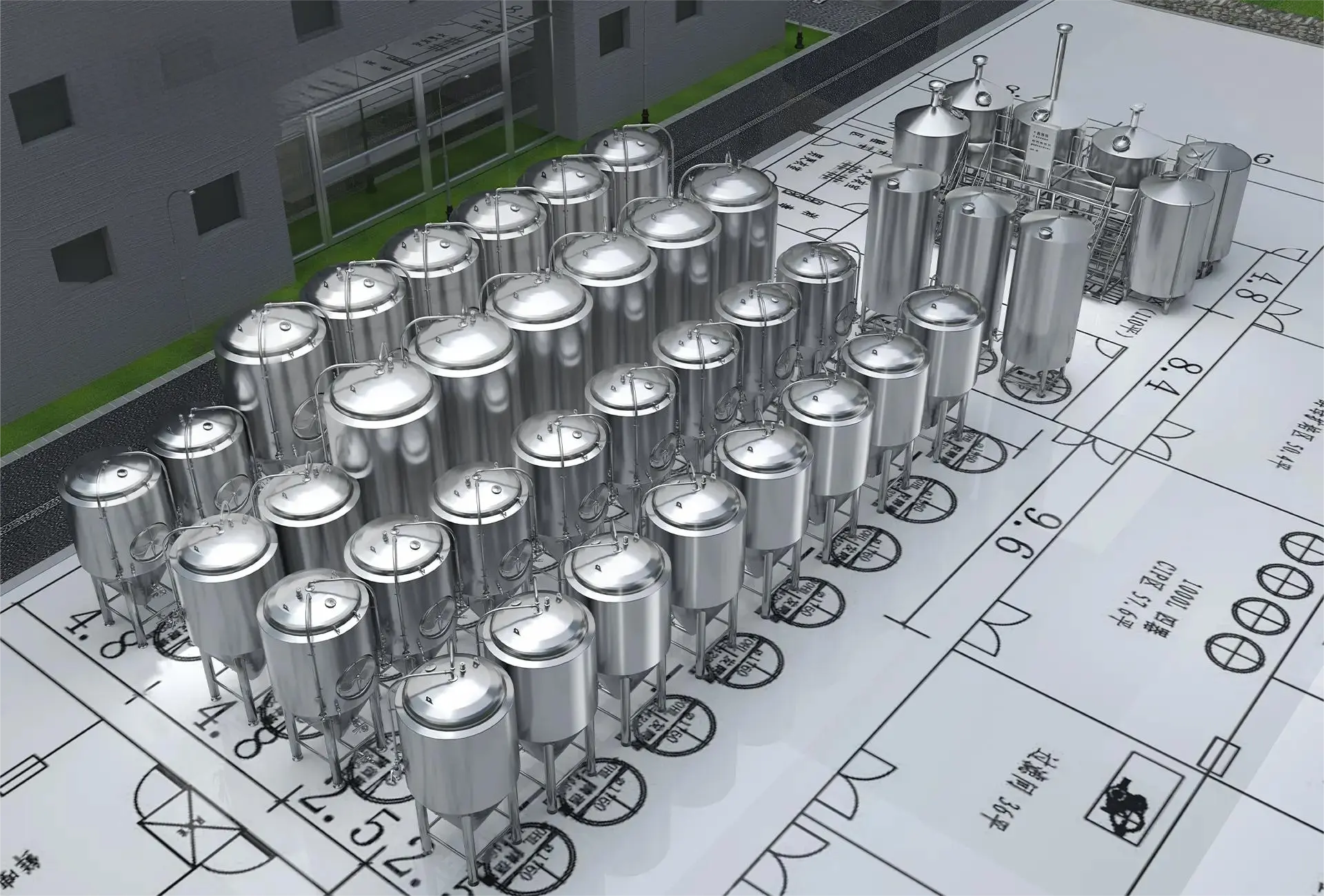
The fermentation system can also be integrated with: Glycol Cooling System + Temperature Control + CO₂ System + CIP System + PLC Automation + BBT + Beer Transfer System This allows the fermentation process to be designed as part of a complete brewery rather than as an isolated tank.
19. The Key to Successful Beer Fermentation
Successful fermentation is not about controlling only one parameter. It is about controlling the entire environment around the yeast. The most important factors are:
Healthy Yeast
Correct Temperature
Appropriate Pitching Rate
Controlled Oxygenation
Stable Pressure
Sufficient Fermentation Time
Gravity and pH Monitoring
Proper Maturation
Effective Sanitation
= Consistent Beer Quality
Let the Yeast Do the Magic
Beer fermentation is one of the most fascinating stages of brewing. Inside the fermentation tank, yeast transforms sweet wort into beer through a complex biological process. While the brewer cannot control every reaction inside the tank, the brewer can create the right conditions for yeast to work effectively.
Temperature, time, pressure, yeast health, oxygen management, sanitation, and monitoring are the keys to a successful fermentation process.
A well-designed fermentation system gives brewers the ability to control these parameters accurately and repeatably. From a small craft brewery to a fully automated commercial brewery, the right fermentation tank and control system can turn a good brewing process into a consistent production process.
TIANTAI helps breweries design fermentation systems around their beer styles, production capacity, fermentation temperature, tank pressure, dry-hopping requirements, cooling system, and automation level. Your wort has started its journey. Let the yeast do the magic.
Daisy Email: [email protected]