Fruit wine with all kinds of fruits are more and more pupular. How to make the orange wine?
Here is the orange (citrus) wine production process you provided, polished for technical or proposal use:
Overview of Orange Wine Production Process
I: Process Flow:
Raw Material Preparation → Juice Extraction → Must Adjustment → Primary Fermentation → Separation → Secondary Fermentation → Clarification & Stabilization → Aging → Filtration → Bottling
II: Detailed Process Steps
Raw Material Preparation
Select ripe and fresh oranges (high sugar content, good flavor)
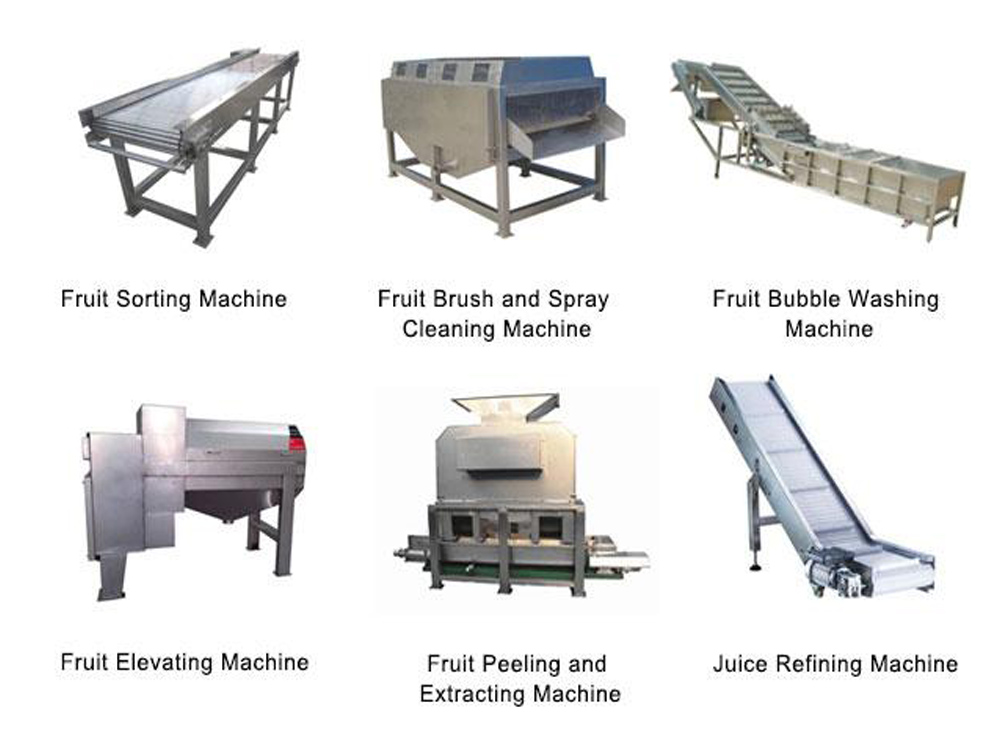
1. Washing and sorting
Peeling (critical step)
The white pith must be removed as much as possible to avoid bitterness
2. Juice Extraction
Equipment: Juice extractor / press
Obtain fresh orange juice
Key points:
Minimize essential oil carryover (can inhibit yeast activity)
Perform coarse filtration if necessary
3. Must Adjustment (Critical Step )
Natural sugar in oranges is insufficient for alcohol production, so adjustment is required:
Add sugar (sucrose or glucose)
Add water (to reduce acidity if necessary)
Add yeast nutrients (e.g., DAP)
Key parameters:
Initial sugar content: 20–24°Bx
pH: 3.2–3.8
Rule of thumb:
17 g/L sugar → 1% alcohol
For 12% ABV → approx. 200 g/L total sugar
4. Primary Fermentation
Yeast: Wine yeast (alcohol tolerance 14–18%)
Temperature: 18–25°C
Time: 5–10 days
Process:
Sugar → Alcohol + CO₂
Control points:
Monitor specific gravity daily
Maintain proper temperature (avoid overheating)
Provide oxygen at the initial stage if needed
Result:
Alcohol reaches approximately 8–10%
5. Separation (Racking)
Separate the liquid from pulp and yeast sediments
Purpose:
Prevent off-flavors and bitterness
Improve clarity and purity
6. Secondary Fermentation
Temperature: 15–20°C
Time: 2–6 weeks
Purpose:
Complete fermentation of residual sugars
Increase alcohol to target level (10–13%)
Stabilize flavor profile
7. Clarification & Stabilization
Methods:
Cold stabilization
Fining agents (e.g., bentonite)
Filtration
Additives:
SO₂ (antioxidant and antimicrobial)
Potassium sorbate (prevents refermentation)
8. Aging
Duration: 1–3 months (typically shorter for fruit wines)
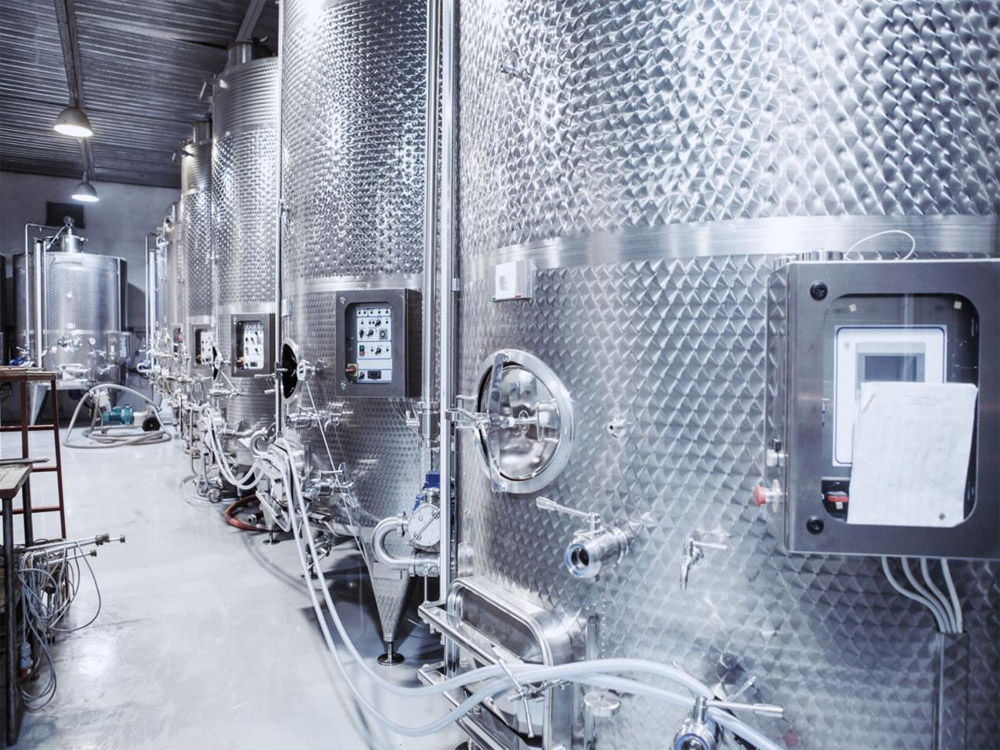
Vessels: Stainless steel tanks or oak barrels
Effects:
Soften acidity
Improve aroma balance and complexity
9. Filtration & Bottling
Fine filtration (e.g., 0.45 μm)
Aseptic bottling
Final product:
Alcohol content: typically 8–12% ABV
Style: dry or semi-sweet depending on preference
III. Typical Production Timeline
| Stage | Duration |
| Pre-treatment | 1–2 days |
| Primary fermentation | 5–10 days |
| Secondary fermentation | 2–6 weeks |
| Aging | 1–3 months |
| Total | Approx. 1–3 months |
Key Control Points
Sugar Adjustment (Most Critical)
Without sugar addition, alcohol usually remains only 3–6%
Peeling Control
Residual pith = risk of bitterness
Acidity Adjustment
Citrus fruits are naturally high in acidity
Dilution or adjustment may be required
Yeast Nutrition
Citrus juice is low in nitrogen → supplementation is necessary
Temperature Control
Too high → yeast inhibition or death
Too low → slow or stuck fermentation
V. Simplified Process Flow (For Proposal Use)
Oranges → Washing & Peeling → Juice Extraction → Must Adjustment
→ Primary Fermentation → Separation → Secondary Fermentation
→ Clarification → Aging → Filtration → Bottling
TIANTAI Brewtech Equipment Co. supplies all kinds of beverage brewing brewery equipment system including miller, brewhouse , fermenters, brite beer tanks, beer bottling machine,beer canning machine, wine and Kombucha eqiupment, distiller equipment.
If you are interested in any beer brewery equipment, please feel free to contact us:
Ivy Liang(Sales Director)
Email: [email protected]