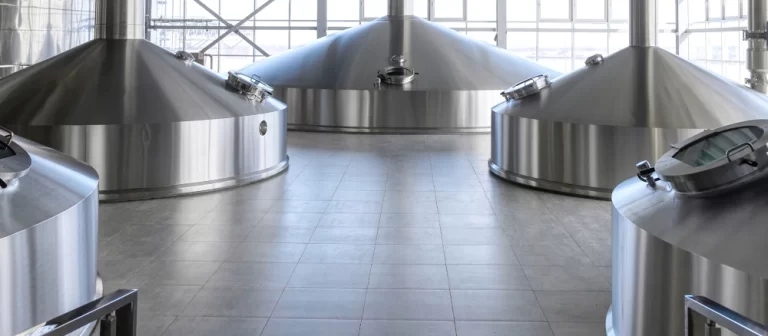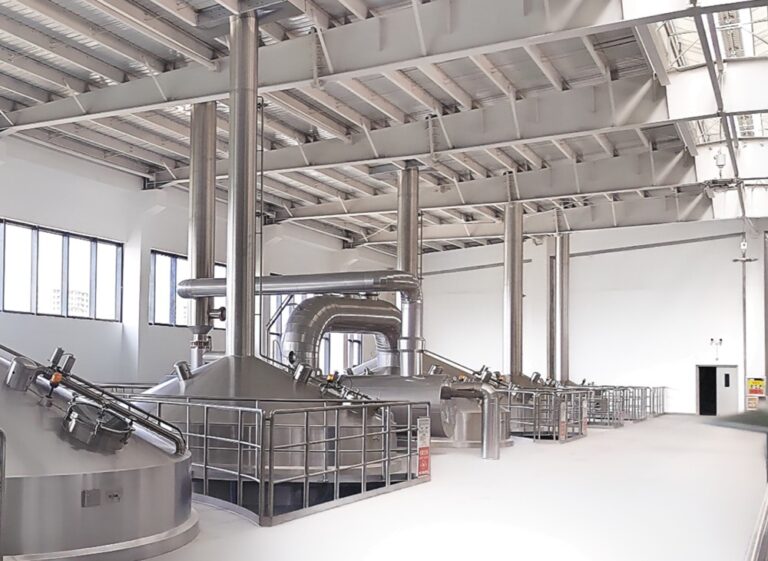
Now the automatic brewery is becoming more and more pupular. Today let us learn some knowledge about the PLC control and motor signal. Why does a motor connected to a PLC have both a DI and a DO in automatic brewery equipment design?This is a very typical automation control question. The reason is that the signal direction and function are different, which is why a PLC uses both DI (Digital Input) and DO (Digital Output).
One-sentence summary:
DI (Digital Input): The PLC receives signals from the motor or field devices (status feedback)
DO (Digital Output): The PLC sends signals to control the motor (start/stop commands)
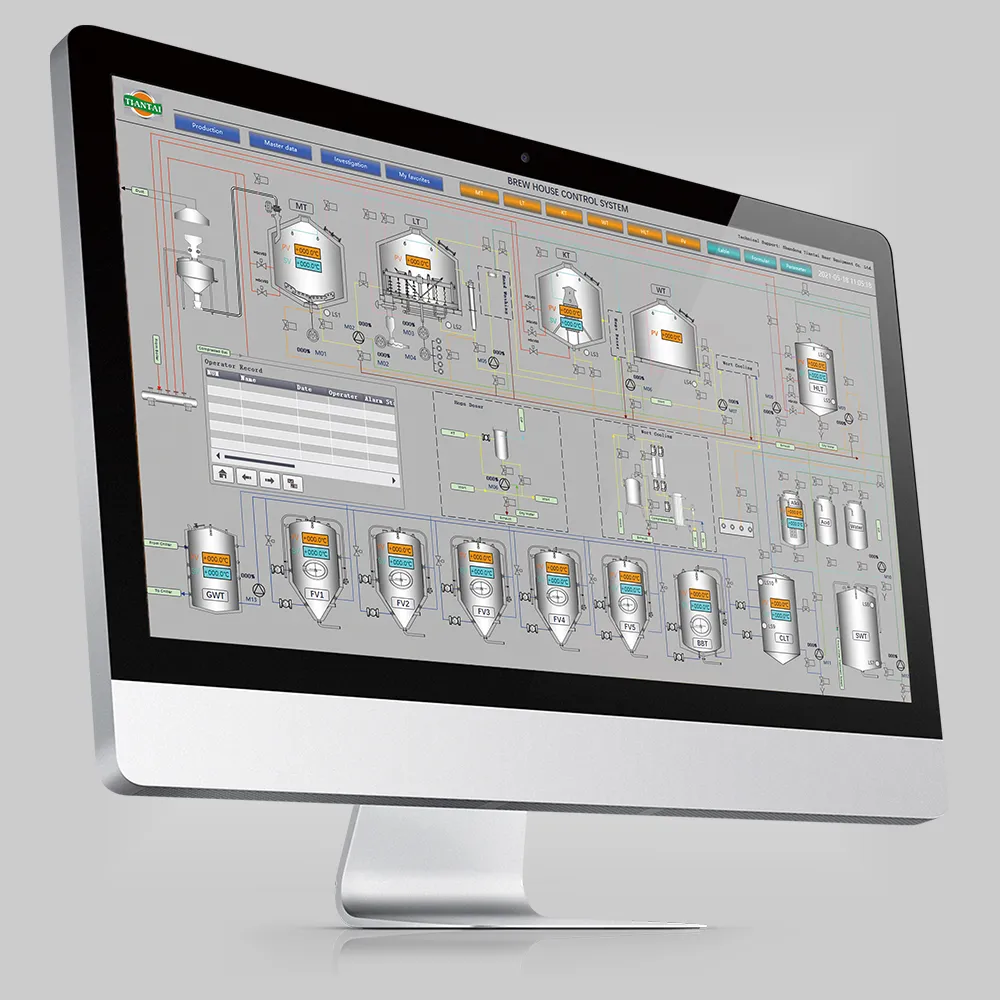
1.DI: Motor → PLC (feedback signals)
DI represents input signals, meaning the motor or related devices send information to the PLC.
Common signals include:
Motor running status (running / stopped)
Fault signals (overload, overheating)
Contactor feedback (whether it is energized)
Protection device alarms
Examples:
Motor thermal relay trips → sends a DI signal to the PLC
Contactor closes → PLC receives “motor is running”
Purpose:
To let the PLC know what is happening with the motor
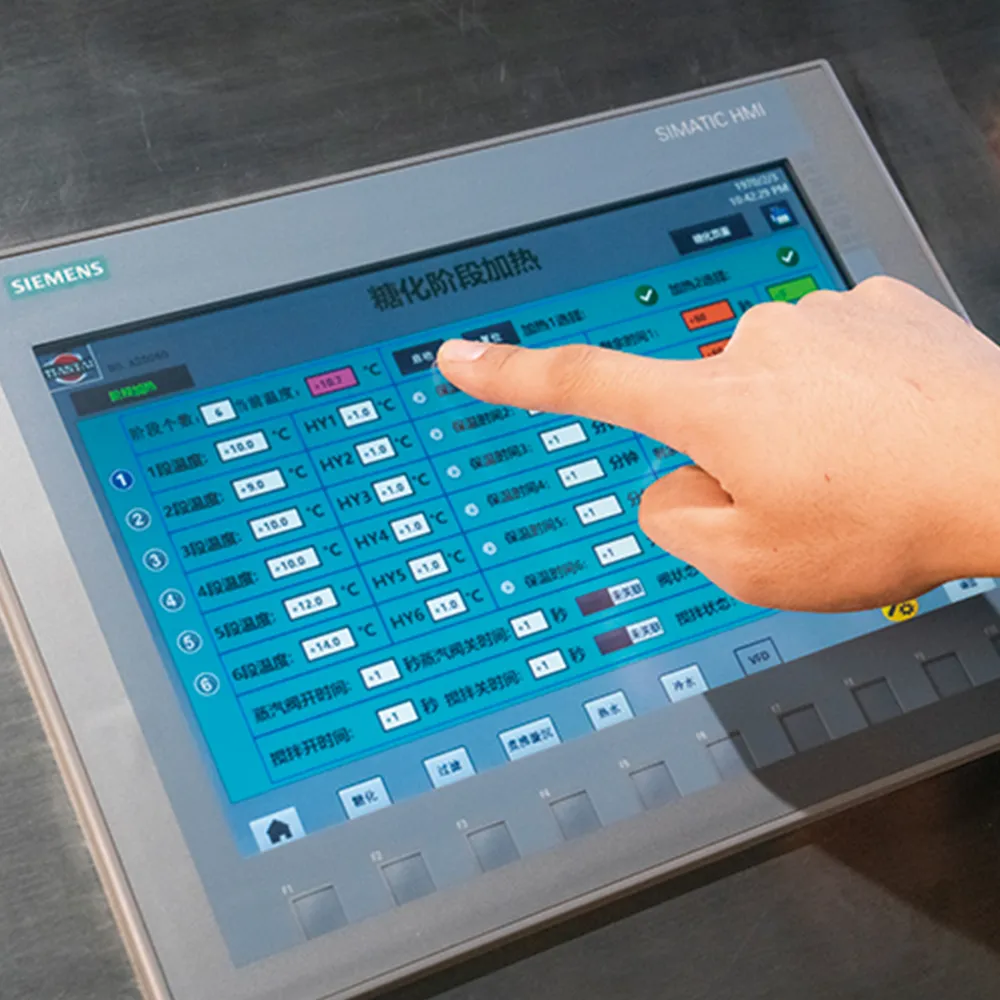
2.DO: PLC → Motor (control signals)
DO represents output signals, meaning the PLC controls the motor.
Common controls include:
Start motor
Stop motor
Forward/reverse switching
Open/close contactor
Examples:
PLC outputs DO → contactor coil is energized → motor starts
PLC turns off DO → contactor releases → motor stops
Purpose:
To allow the PLC to “command” the motor
3.Why are both DI and DO necessary?
Because a complete control system must be closed-loop:
👉 Only DO (control without feedback)
→ PLC doesn’t know if the motor is actually running or if there is a fault ❌
👉 Only DI (feedback without control)
→ PLC cannot control the equipment ❌
👉 Both together:
oDO = give commands
oDI = monitor results
This is standard industrial control logic ✅
4.Simple way to understand
👉 DO = PLC gives orders (tells the motor what to do)
👉 DI = Motor responds (tells the PLC what happened)
5.Typical applications in brewing / conveying systems
In beer brewing equipment (like what you’ve been working on), this setup is very common. For example:
Malt conveying motors
Pump motors
Agitator motors
Typical configuration:
DO: Start/stop control
DI: Running feedback + fault alarm
If you are planning to open a brewery. TIANTAI BrewTech could help you answer your questions and supply the brewery equipment system. We supply 1-200HL complete beer brewing brewery equipment system including malt milling equipment, brewhouse equipment, fermenters, brite beer tanks, beer bottling machine,beer canning machine, beer kegging machine, hopping machine, yeast propagation equipment. We also supply all auxiliary brewery systems like steam heating pipe and valves, water treatment, filter, air compressor etc. Everything in brewery are all in our list.
If you are interested in any beer brewery equipment, please feel free to contact us:
Ivy Liang(Sales Director)
Email: [email protected]