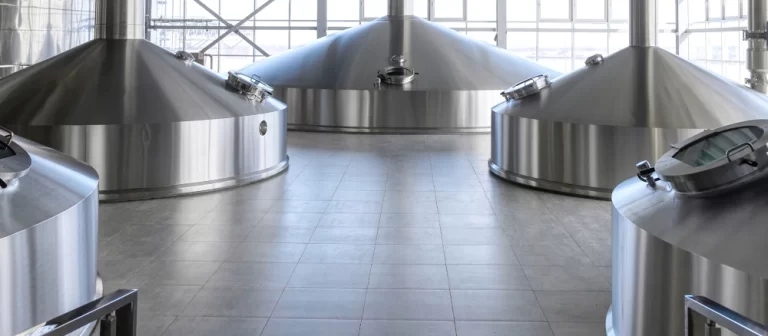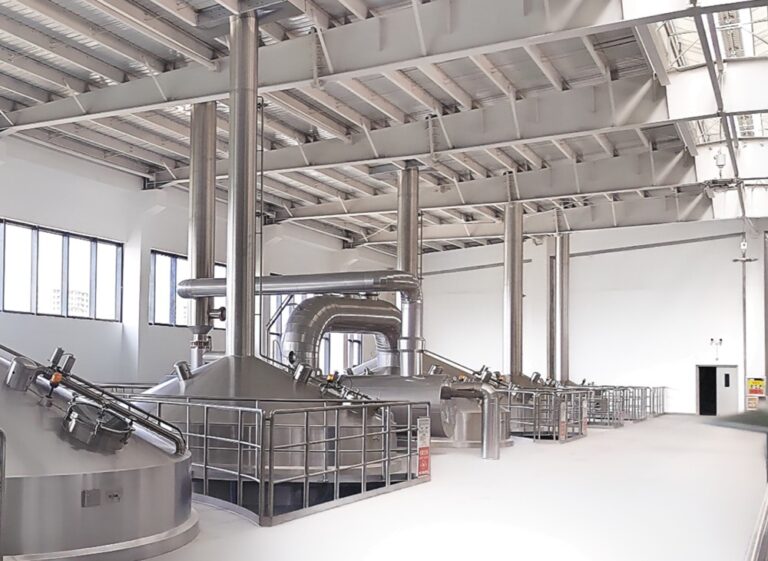
В настоящее время автоматические пивоварни становятся все более и более популярными. Сегодня мы познакомимся с некоторыми знаниями об управлении ПЛК и сигналах двигателя. Почему двигатель, подключенный к ПЛК, имеет и DI, и DO при проектировании оборудования для автоматической пивоварни? Это очень типичный вопрос об управлении автоматикой. Причина в том, что направление и функция сигнала различны, поэтому в ПЛК используются оба DI (цифровой вход) и DO (цифровой выход).
Краткое содержание в одном предложении:
DI (цифровой вход): ПЛК получает сигналы от двигателя или полевых устройств (обратная связь по состоянию).
DO (цифровой выход): ПЛК посылает сигналы для управления двигателем (команды пуска/остановки).
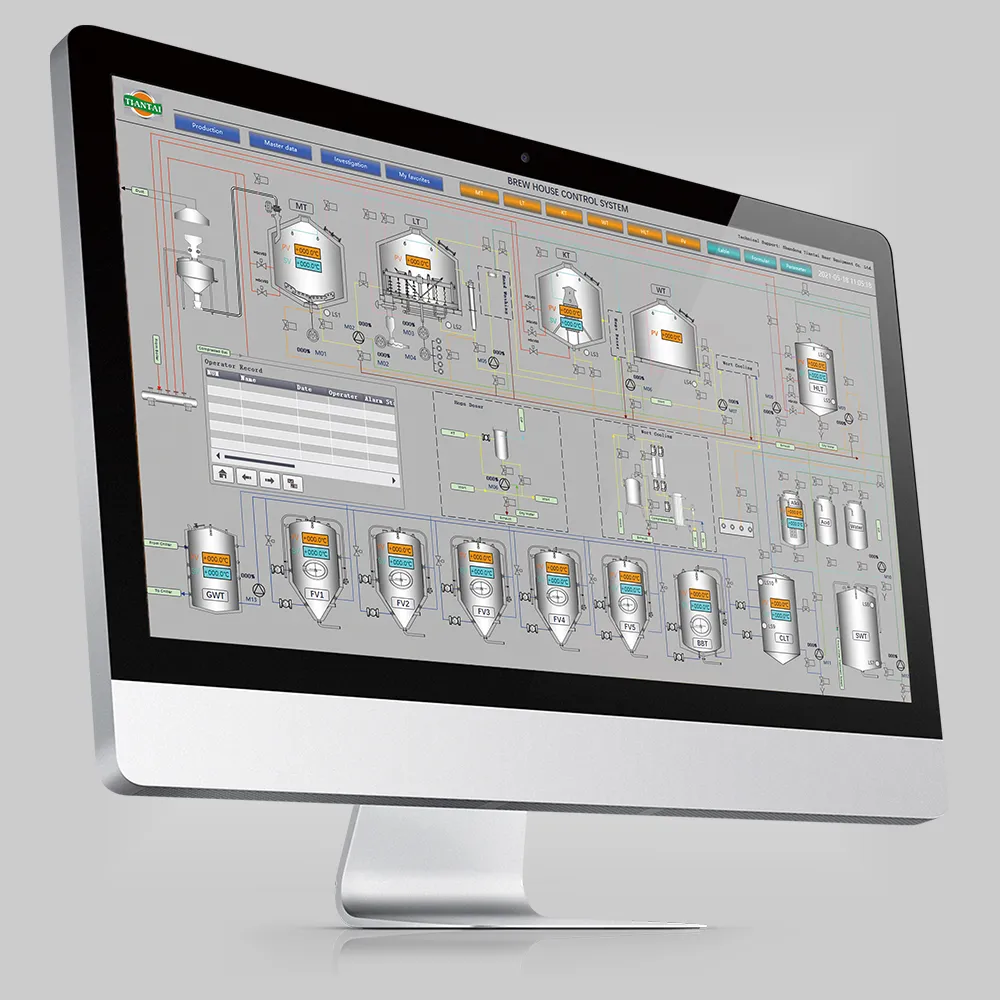
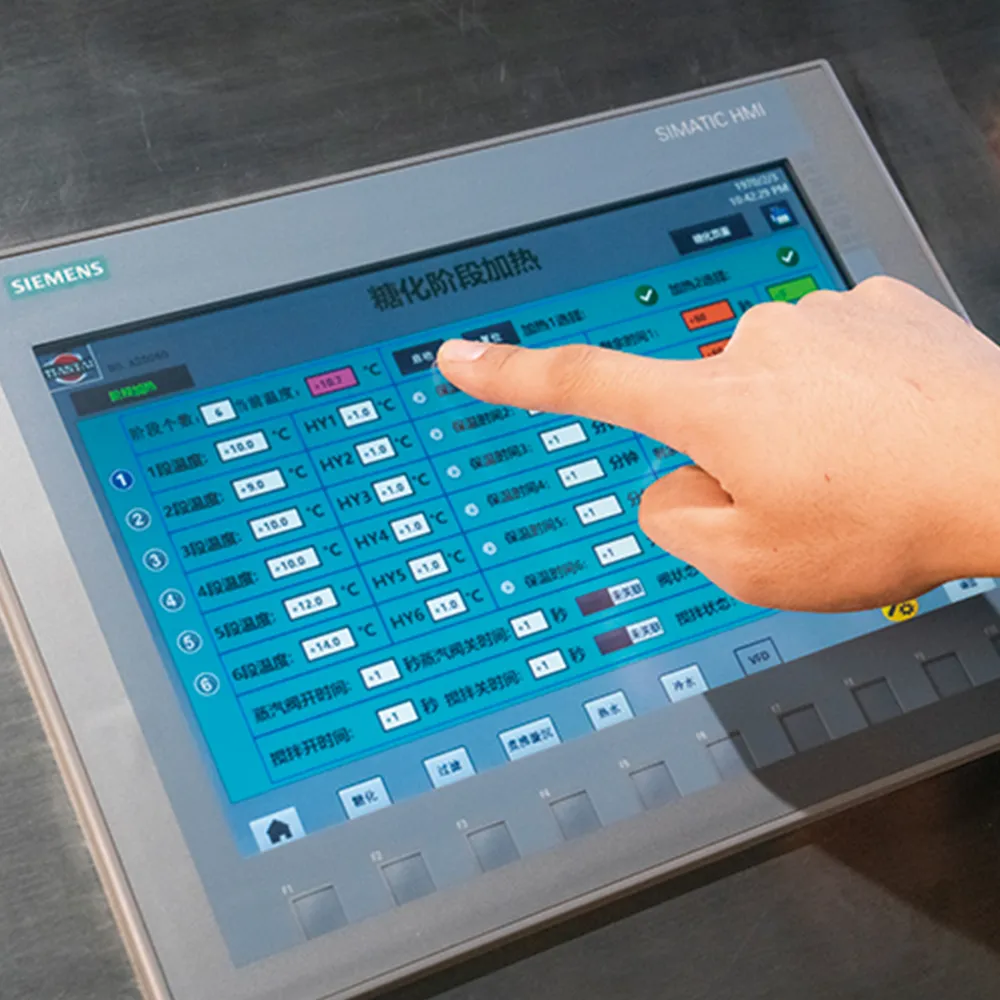
1.DI: Двигатель → ПЛК (сигналы обратной связи)
DI представляет входные сигналы, то есть двигатель или связанные с ним устройства передают информацию в ПЛК.
Обычные сигналы включают:
Motor Статус работы (работает / остановлен)
Fault сигналы (перегрузка, перегрев)
Contactor обратная связь (находится ли он под напряжением)
Protection Сигналы тревоги устройств
Примеры:
Motor тепловое реле срабатывает → посылает сигнал DI на ПЛК
Contactor закрывается → ПЛК получает сигнал “двигатель работает”.”
Цель:
Чтобы сообщить ПЛК о том, что происходит с двигателем
2.DO: ПЛК → Двигатель (сигналы управления)
DO представляет выходные сигналы, означающие, что ПЛК управляет двигателем.
Общие средства управления включают:
Start двигатель
Stop двигатель
Forward/реверсивное переключение
Open/замыкающий контактор
Примеры:
PLC выводит DO → катушка контактора под напряжением → двигатель запускается
PLC отключает DO → контактор размыкается → двигатель останавливается
Цель:
Чтобы позволить ПЛК “командовать” двигателем
3.Почему необходимы DI и DO?
Поскольку вся система управления должна быть замкнутой:
👉 Только DO (управление без обратной связи)
→ ПЛК не знает, работает ли двигатель на самом деле или произошла ошибка ❌.
👉 Только DI (обратная связь без управления)
→ ПЛК не может управлять оборудованием ❌
👉 Оба вместе:
oDO = отдавать команды
oDI = мониторинг результатов
Это стандартная промышленная логика управления ✅.
4.Простой способ понять
👉 DO = ПЛК отдает приказы (сообщает двигателю, что делать).
👉 DI = Двигатель отвечает (сообщает ПЛК, что произошло)
5.Типичные применения в пивоваренных/конвейерных системах
В оборудовании для варки пива (например, в том, над которым вы работали) такая установка встречается очень часто. Например:
Malt Двигатели для транспортировки
Pump двигатели
Agitator двигатели
Типичная конфигурация:
DO: управление запуском/остановкой
DI: Обратная связь при работе + сигнализация о неисправностях
Если вы планируете открыть пивоварню. TIANTAI BrewTech поможет вам ответить на ваши вопросы и поставить систему оборудования для пивоварни. Мы поставляем 1-200HL полную систему оборудования для пивоварения, включая оборудование для помола солода, оборудование для пивоварни, ферментеры, танки для пива, машины для розлива пива, машины для консервирования пива, машины для кегирования пива, машины для хмеля, оборудование для размножения дрожжей. Мы также поставляем все вспомогательные системы для пивоваренного завода, такие как трубы и клапаны для парового отопления, водоподготовка, фильтры, воздушные компрессоры и т.д. Все в пивоварне есть в нашем списке.
Если вас интересует какое-либо оборудование для пивоваренного завода, пожалуйста, обращайтесь к нам:
Айви Лян (директор по продажам)
Электронная почта: [email protected]