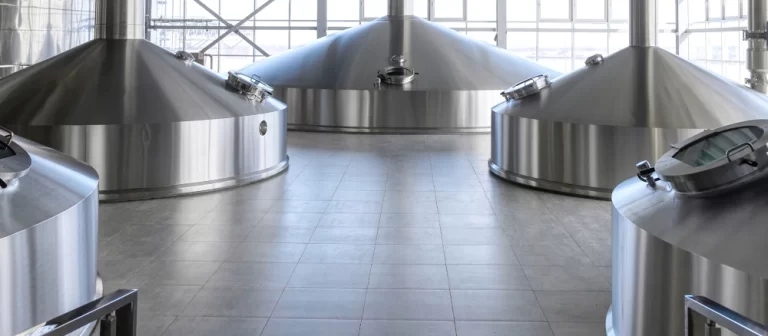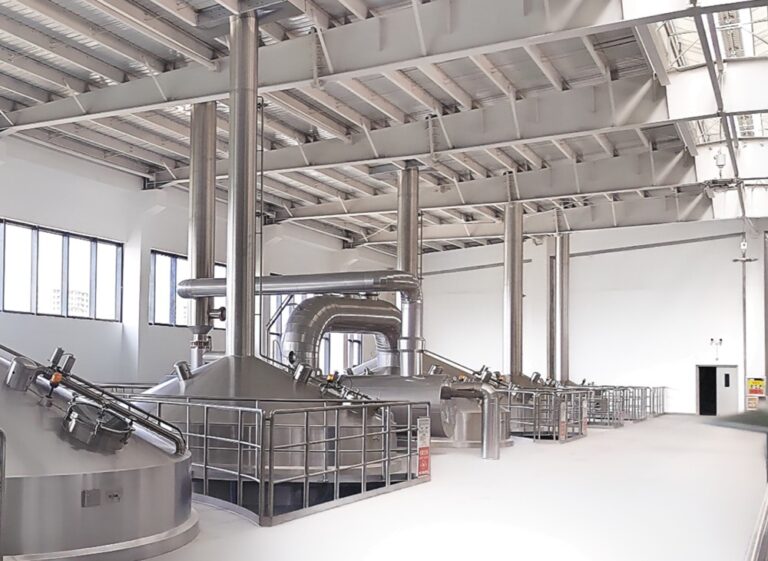
이제 자동 양조장은 점점 더 많은 관심을 받고 있습니다. 오늘은 PLC 제어 및 모터 신호에 대한 몇 가지 지식을 배워보겠습니다. 자동 양조장 장비 설계에서 PLC에 연결된 모터에 DI와 DO가 모두 있는 이유는 무엇입니까? 이것은 매우 일반적인 자동화 제어 질문입니다. 그 이유는 신호 방향과 기능이 다르기 때문에 PLC가 DI(디지털 입력)와 DO(디지털 출력)를 모두 사용하기 때문입니다.
한 문장으로 요약합니다:
DI(디지털 입력): PLC는 모터 또는 필드 장치로부터 신호를 수신합니다(상태 피드백).
DO(디지털 출력): PLC가 모터를 제어하기 위해 신호를 전송합니다(시작/정지 명령).
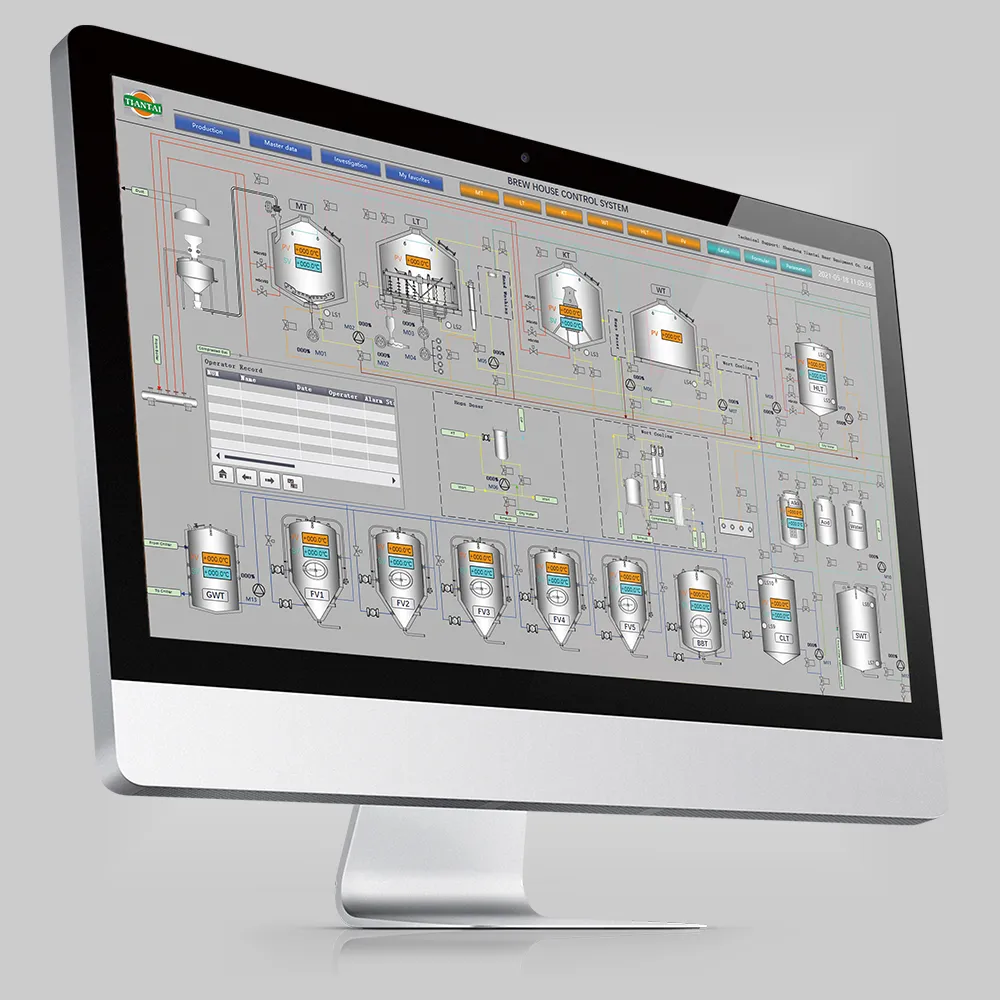
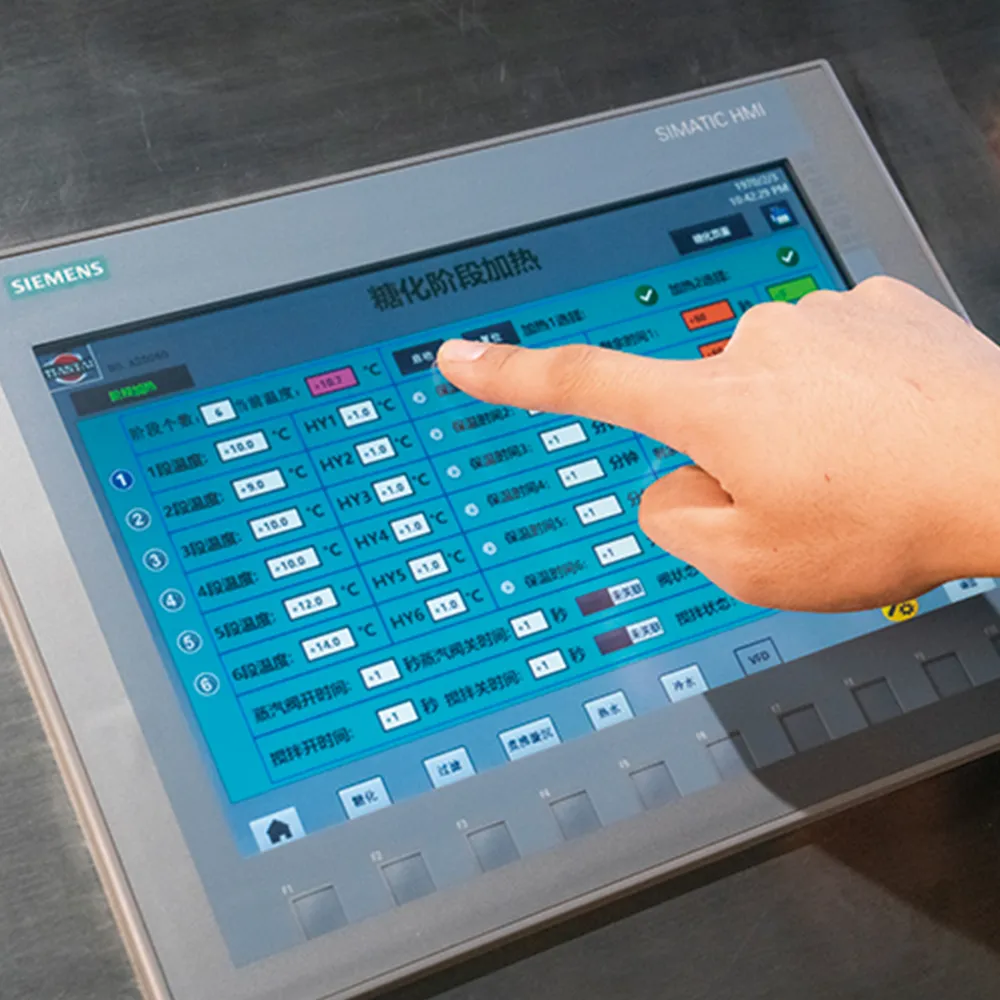
1.DI: 모터 → PLC(피드백 신호)
DI는 입력 신호를 나타내며, 모터 또는 관련 장치가 PLC에 정보를 전송하는 것을 의미합니다.
일반적인 신호는 다음과 같습니다:
Motor 실행 상태(실행 중/중지)
Fault 신호(과부하, 과열)
Contactor 피드백(활성화 여부)
Protection 장치 알람
예시:
Motor 열 릴레이 트립 → PLC에 DI 신호 전송
Contactor 닫힘 → PLC가 “모터가 작동 중입니다”를 수신합니다.”
목적:
모터에 무슨 일이 일어나고 있는지 PLC에 알리기 위해
2.DO: PLC → 모터(제어 신호)
DO는 출력 신호를 나타내며, PLC가 모터를 제어한다는 의미입니다.
일반적인 제어 기능은 다음과 같습니다:
Start 모터
Stop 모터
Forward/역방향 전환
Open/접촉기 닫기
예시:
PLC 출력 DO → 접촉기 코일에 전원이 공급 → 모터 시동
PLC DO 꺼짐 → 접촉기 해제 → 모터 정지
목적:
PLC가 모터를 “명령”할 수 있도록 하려면 다음을 수행합니다.
3. DI와 DO가 모두 필요한 이유는 무엇인가요?
완전한 제어 시스템은 폐쇄형이어야 하기 때문입니다:
👉 Only DO(피드백 없이 제어)
→ PLC는 모터가 실제로 작동 중인지 또는 고장이 있는지 알지 못함 ❌
👉 DI 전용(컨트롤 없는 피드백)
→ PLC가 장비를 제어할 수 없음 ❌
👉 둘 다 함께:
oDO = 명령 제공
oDI = 모니터 결과
이것은 표준 산업 제어 로직입니다 ✅
4. 이해하기 쉬운 방법
👉 DO = PLC가 명령을 내림(모터에 수행할 작업 지시)
👉 DI = 모터가 응답함(PLC에 발생 상황을 알려줌)
5. 양조/이송 시스템의 일반적인 응용 분야
여러분이 작업하고 있는 것과 같은 맥주 양조 장비에서는 이 설정이 매우 일반적입니다. 예를 들어
Malt 컨베이어 모터
Pump 모터
Agitator 모터
일반적인 구성입니다:
DO: 시작/중지 제어
DI: 피드백 실행 + 오류 알람
양조장을 열 계획이라면. 타이베이 브루텍은 귀하의 질문에 답하고 양조장 장비 시스템을 공급하는 데 도움을 줄 수 있습니다. 우리는 맥아 밀링 장비, 양조장 장비, 발효기, 브라이트 맥주 탱크, 맥주 병입 기계, 맥주 통조림 기계, 맥주 케깅 기계, 호핑 기계, 효모 번식 장비를 포함한 1-200HL 완전한 맥주 양조 양조장 장비 시스템을 공급합니다. 또한 증기 가열 파이프 및 밸브, 수처리, 필터, 공기 압축기 등과 같은 모든 보조 양조장 시스템을 공급합니다. 양조장의 모든 것은 모두 우리 목록에 있습니다.
맥주 양조장 장비에 관심이 있으시면 언제든지 문의해 주세요:
아이비 량(영업 이사)
이메일: [email protected]