なぜエクストラ・ニュートラル・アルコール(ENA)がジンの理想的なベースとなるのか? ジンは、世界で最も用途が広く、最も急成長しているスピリッツの一つです。ウイスキーやラムとは異なり、ジンには長年の熟成は必要ありません。その独特の風味は、ベースとなるスピリッツそのものよりも、主に厳選されたボタニカルに由来しています。.
ほとんどの商業蒸留所にとって、エクストラ・ニュートラル・アルコール(ENA)は、植物由来の香りを際立たせることのできる、極めてクリーンな「キャンバス」となるため、原料として好んで用いられています。.
クラフトジンブランドを立ち上げる場合でも、既存の蒸留所を拡大する場合でも、ENAからジンを製造する方法を理解することは、高品質な製品を生み出すために不可欠です。
エクストラ・ニュートラル・アルコール(ENA)とは何ですか?
エクストラ・ニュートラル・アルコール(ENA)は、高度に精製されたエタノールであり、通常、以下の成分を含んでいます。 95–96% アルコール度数(ABV). 。不純物、コンジェナー、および望ましくない風味を取り除くため、数回にわたり蒸留されます。.
ENAは、以下のようなさまざまな農業原料から製造することができます:
- 小麦
- トウモロコシ
- 大麦
- ライ麦
- サトウキビの糖蜜
- テンサイ
- ジャガイモ
ENAはほぼ無味無臭であるため、ジン製造に最適なベーススピリッツとなります。.
蒸留業者がENAを選ぶ理由とは?
ENAを利用することには、いくつかの利点があります:
| ♦一貫した品質 | すべてのバッチは、同じ清澄な原酒から製造を開始することで、製品の一貫性を確保しています。. |
| ♦生産の迅速化 | ウイスキーとは異なり、ENAから作られるジンには、長い発酵や熟成の工程は必要ありません。. |
| ♦自由自在なボタニカルレシピ | ENAは風味をほとんど与えないため、蒸留業者は独自のボタニカル・プロファイルを自由に作り出すことができます。. |
| ♦生産コストの削減 | ENAを購入または製造することで、優れたスピリッツの品質を維持しつつ、製造時間を短縮できます。. |
ジンの製造工程
手順 1. ENA を希釈する
市販のENA(95–96% ABV)を精製水で希釈し、約 40–60% ABV 植物からの抽出を行う前に。.
具体的な希釈率は、以下の要因によって異なります:
- 蒸留法
- ボタニカル・レシピ
- 希望する味の強さ
ステップ2. ボタニカルを選ぶ
ジンにはジュニパーベリーの使用が法律で義務付けられていますが、独自のスタイルを生み出すために、他にも多くのボタニカルが使用されることがあります。.
代表的な植物成分には、次のようなものがあります:
- ジュニパーベリー
- コリアンダーの種
- アンジェリカの根
- アイリス根
- カルダモン
- シナモン
- カシアの樹皮
- レモンの皮
- オレンジの皮
- グレープフルーツの皮
- ラベンダー
- カモミール
- 甘草の根
- キューブペッパー
- ピンクペッパー
- バラの花びら
バランスのとれたボタニカル配合こそが、成功するジンの要なのです。.
ステップ3. 植物抽出
植物由来の風味を抽出するには、いくつかの方法があります。.
マセレーション
植物原料は、蒸留の前に、希釈したENAに12~48時間直接浸漬されます。.
メリット
- 豊かな風味の抽出
- 際立った植物由来の個性
- 伝統的なロンドン・ドライ・ジンの製造
ベーパー・インフュージョン
ボタニカルは、沸騰しているスピリッツの上にあるジンバスケットの中に置かれます。アルコールの蒸気がボタニカルを通過し、精油を穏やかに抽出します。.
メリット
- 上品な香り
- 爽やかな柑橘系の香り
- 滑らかな仕上がり
- 苦味が抑えられている
組み合わせ法
多くのプレミアム・ジンメーカーは、より複雑な風味とバランスの良さを引き出すために、マセレーションと蒸気注入を組み合わせています。.
ステップ4. 蒸留
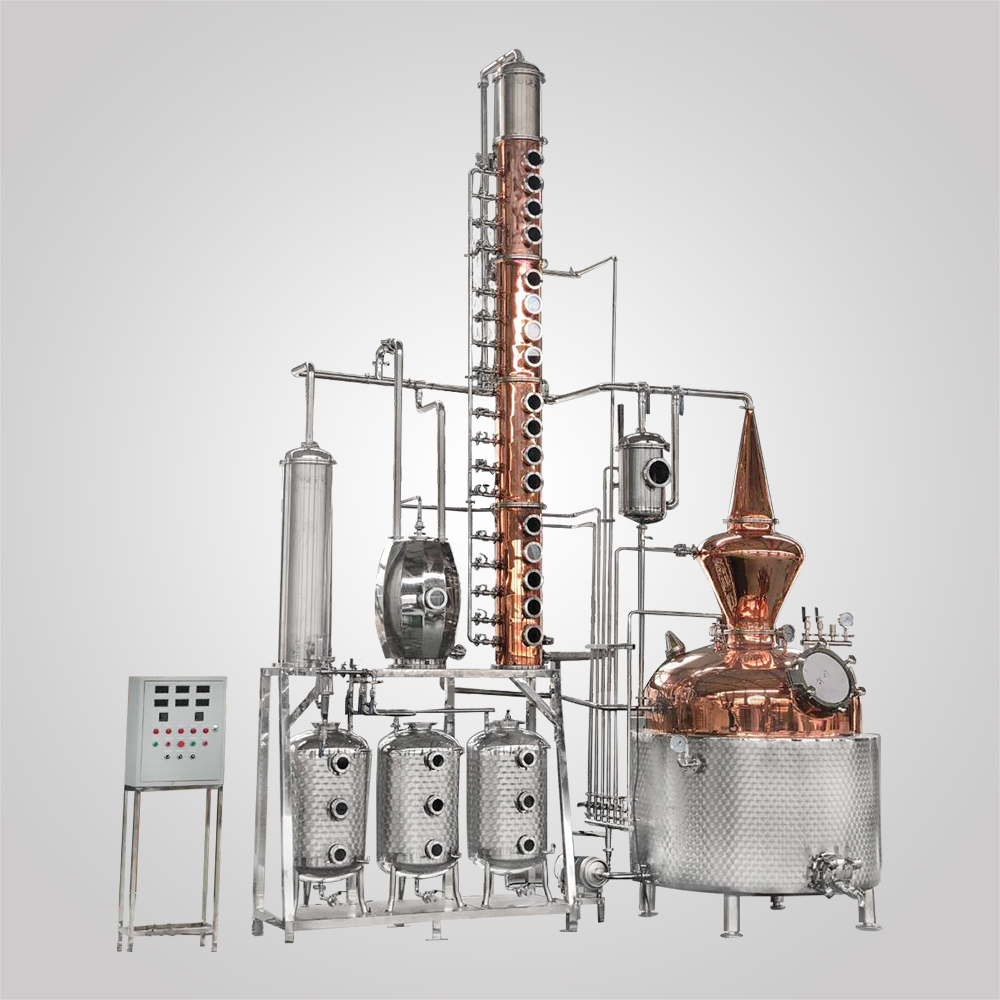
植物エキスを配合したこのスピリッツは、銅製のポットスチルで蒸留されています。.
蒸留中は:
- 不要な化合物が除去されます。.
- エッセンシャルオイルは高濃度です。.
- その精神は、より穏やかで洗練されたものになっていく。.
- 蒸留業者は、ヘッド、ハート、テールを分離し、最高品質のハートカットのみを抽出します。.
一般的な蒸留の産出量は、 75% ~ 85% ABV.
ステップ5. 希釈
蒸留後、ジンは脱塩水で希釈され、瓶詰め用のアルコール度数に調整されます。.
代表的な瓶詰めアルコール度数には、次のようなものがあります:
- 37.5% アルコール度数(多くの市場における最低基準)
- 40% ABV
- 42% ABV
- 43% ABV
- 45% ABV
- 47% ABV
アルコール度数が高いほど、ボタニカルの風味が際立つことが多い。.
手順 6. ろ過
多くの蒸留業者は、ろ過の前にジンを冷却し、余分な精油を取り除き、透明度を高めるようにしています。.
代表的なろ過方法には、次のようなものがあります:
- カートリッジろ過
- 活性炭(注意して使用すること)
- 膜ろ過
- 低温安定化ろ過
ステップ7. 瓶詰め
完成したジンは、自動充填ラインを使用して瓶詰めされます。.
完全な充填ラインには、以下のようなものが含まれる場合があります:
- ボトル洗浄
- 充填
- キャッピング
- ラベリング
- 製造年月日表示
- 段ボール包装
適切な包装は、製品の品質を守ると同時に、店頭での訴求力を高めます。.
ジン製造に必要な設備
一般的なジンの製造ラインには、通常以下のものが含まれます:
- ENA貯蔵タンク
- 混合・希釈タンク
- 植物マセレーションタンク
- 銅製のポットスチル
- ジンバスケット(蒸気抽出用)
- 凝縮器
- スピリット回収タンク
- ろ過システム
- 明るい貯蔵タンク
- 自動充填ライン
- CIP洗浄システム
- 蒸気ボイラー
- 水処理システム
なぜ銅は依然として重要なのか
ジン蒸留の過程において、銅は重要な役割を果たしています。.
福利厚生は以下の通り:
- 硫黄化合物を除去します
- 精神の穏やかさを高める
- 植物由来の香りを引き立てる
- よりきれいな仕上がりになります
- 最高品質のジンを提供します
だからこそ、ほとんどのクラフトジン蒸留所では、今もなお伝統的な銅製のポットスチルを使い続けているのです。.
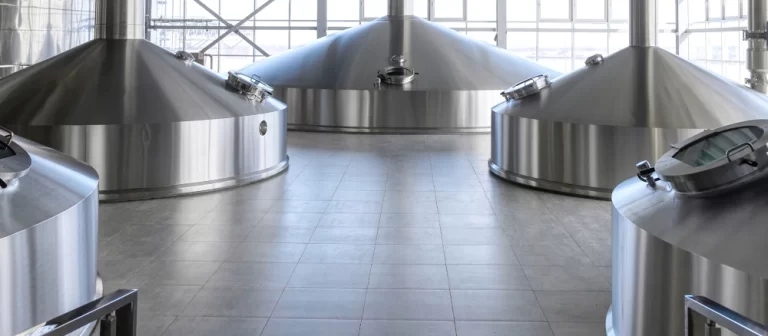
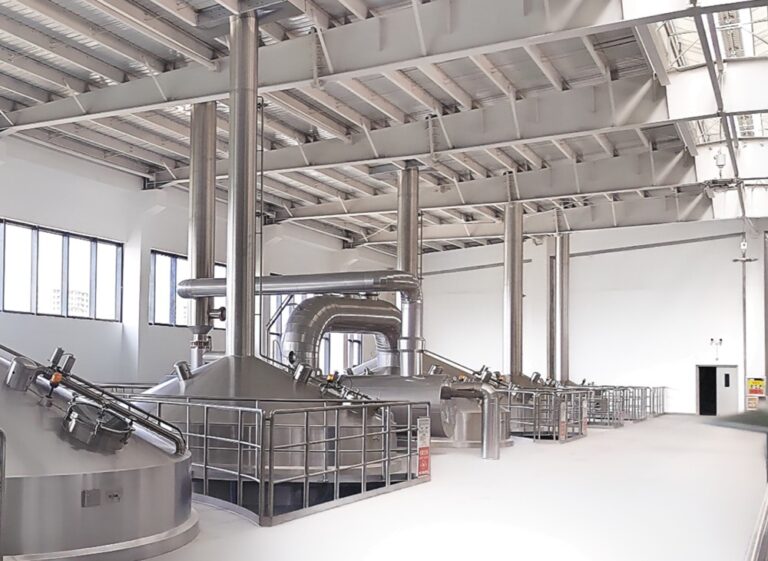
TIANTAI ジン蒸留所向けトータルソリューション
TIANTAIは、クラフトおよび商業用ジン製造向けの包括的なターンキーソリューションを提供しています。.
当社のシステムには、以下のものが含まれます:
- ステンレス鋼と銅のハイブリッド式ポットスチル
- オーダーメイドのジン・バスケット
- 植物抽出タンク
- ENAブレンドシステム
- スピリット貯蔵タンク
- 自動制御システム(PLC)
- CIP洗浄システム
- ボトル充填・包装ライン
- 据え付け、試運転、および技術研修
生産しているかどうか 100 L, 500 L, 1000 L, 2000 L, 、あるいはそれ以上の規模の生産においても、TIANTAIはお客様の生産目標、現地の規制、および予算に合わせて、ジン蒸留所をカスタマイズいたします。.
エクストラ・ニュートラル・アルコールを使用してジンを製造することで、蒸留業者は自社のブランドを真に特徴づける要素、すなわちボタニカルの配合に注力することができます。クリーンで高純度のスピリッツを基に、ボタニカルを厳選し、専門的な蒸留設備を用いることで、生産者は卓越した香り、バランス、そして一貫性を備えたプレミアムジンを生み出すことができるのです。.
TIANTAIの包括的な蒸留所ソリューションを活用すれば、起業家も既存の蒸留所も、拡大を続ける今日のクラフトスピリッツ市場の需要に応える、効率的で拡張性が高く、高品質なジン製造施設を構築することができます。.
編集者:デイジー [email protected]