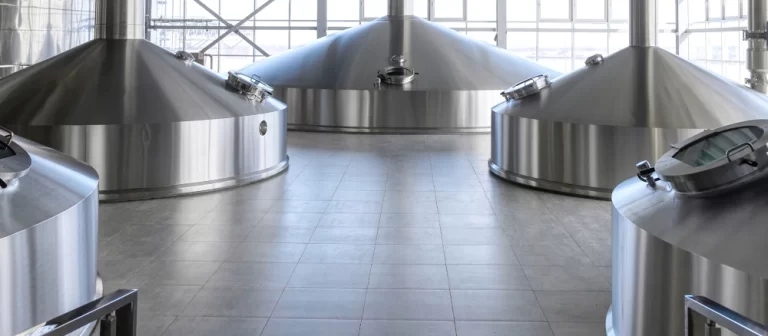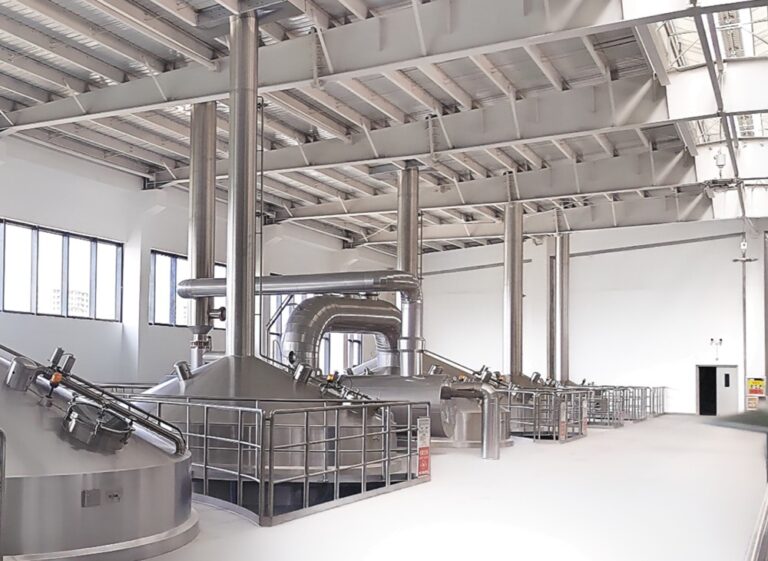
Tiantai company is a professional fermentation equipment manufacturer based in China. We’ve built over 1,800 microbreweries across more than 80 countries, with system capacities ranging from 100L to 20,000L.
For beer lovers, it all starts with one fundamental truth: every beer is either an ale or a lager. This isn’t about color, flavor, or alcohol content—it’s about the fermentation method and the type of yeast used. Interestingly, the brewing equipment itself doesn’t differ much between the two.
What really sets ales and lagers apart?
The key difference lies in how they are fermented.
Ales are made with top-fermenting yeast at warmer temperatures (60–70°F).
Lagers use bottom-fermenting yeast at colder temperatures (35–50°F).
Because ales ferment warm, they can be ready in a relatively short time—around 3 to 5 weeks. Lagers, on the other hand, take much longer—up to 6 to 8 weeks—due to cold fermentation.
Originally from the British Isles, ales were the only type of beer brewed before 1842. This ancient style dates back thousands of years, largely because it could be made in warmer climates.
Today, ales are a favorite among craft brewers. Ale yeast can produce beer in as little as 7 days, which is ideal for small breweries that may lack the space to regularly ferment lagers. In medieval Europe, ale—along with bread—was a vital source of nutrition. People, including children, drank “small beer,” which was unfiltered, porridge-like, highly nutritious, and contained just enough alcohol (around 1% ABV) to act as a preservative. It provided both nutrition and hydration without the risks of contaminated water.
Common ales include Stout, Bitters, Hefeweizen, Pale Ale, IPA, and Barley Wine. Hops are added for preservation and stability, and the quick fermentation often creates a fruitier, spicier, and more robust flavor.
Lagers—such as Helles, Dunkel, Pilsner, Bock, Marzen, and Schwarzbier—date back to the Middle Ages. Bavarian brewers discovered that beer continued to ferment when stored in cold ice caves during winter. The German word lagern means “to store.” The result was a smooth, mellow brew, much less bold than ale.
The Germans loved this taste so much that they passed the famous Bavarian Purity Law of 1516, which made brewing in the warm summer months illegal—effectively eliminating ales from the region. While ales remained popular in the British Isles, Bavaria became lager territory, as it was too cold for ale yeast to thrive during those months.
In the 1800s, the invention of refrigeration changed beer history. During the late 19th and most of the 20th centuries, lager beer rose dramatically in popularity. Its mellow taste and lower alcohol content helped pilsner-style beers take over. With the exception of Great Britain and Belgium, lager became the dominant beer style worldwide—and it still is today.
Thankfully, ales have made a strong comeback over the last 40 years. In 1974, there were only 55 breweries in the United States, most mass-producing bland, watered-down lagers that true craft beer lovers would never touch.
Today, there are over 6,000 breweries in operation, crafting ales, lagers, and hybrids that have restored beauty and artistry to brewing.
What’s the bottom line?
All beer is either an ale or a lager. Again, it’s not about color or taste—it’s about fermentation and yeast. That said, here are general differences:
Lagers tend to taste crisper and cleaner, though malts and hops can add flavor.
Ales are often fuller-bodied, sweeter, and fruitier due to faster, more aggressive fermentation that produces esters—compounds responsible for sweet notes.
We’re living through a brewing renaissance. Beer lovers today have an incredible range of flavors and characters to choose from. Lager remains popular, but the resurgence of ales has expanded palates and changed beer history for the better. The future looks bright—filled with more great beer, whether ale or lager.
Now that you have a clearer understanding of the difference between ales and lagers, feel free to reach out to Tiantai Brewtech to find the perfect brewery equipment for your needs.
Hubert